
“Excuse me, is it a pizza?” At borgo20, a restaurant near Parma Cathedral in the old town, it’s the question we hear most, usually with the menu still in hand. The short answer is already on our website: “A gourmet pizza? Nooo… Pan di20 is Pan di20. Full stop.”
The long answer starts with the Turin padellino, goes through a sack of flour and ends with a pun. Pull up a chair.
From the Turin padellino to Pan di20
In Turin, the padellino (also called pizza al tegamino) is a local institution: a thick, soft dough baked in small round oiled pans, so the bottom turns golden and crisp. You eat a whole one each.
Carlo, borgo20’s owner and chef, has a Turin-born family on his mother’s side. That padellino is in his DNA, together with pastry making: one of his ancestors was a pastry chef at the Royal House of Savoy. Pan di20 starts from there, but it’s more contemporary and lighter. Really light, and very crisp outside. If you need to explain it to a friend, “similar to a pan pizza from Turin” will do. We keep calling it Pan di20.
Behind it is Carlo’s own experience with bread and dough. He is self-taught: he studied and experimented on his own, and over the years he has compared notes and worked as a peer with some of the leading names in Italian contemporary baking. Let’s just say we don’t improvise with dough.
Local flours and a long rise
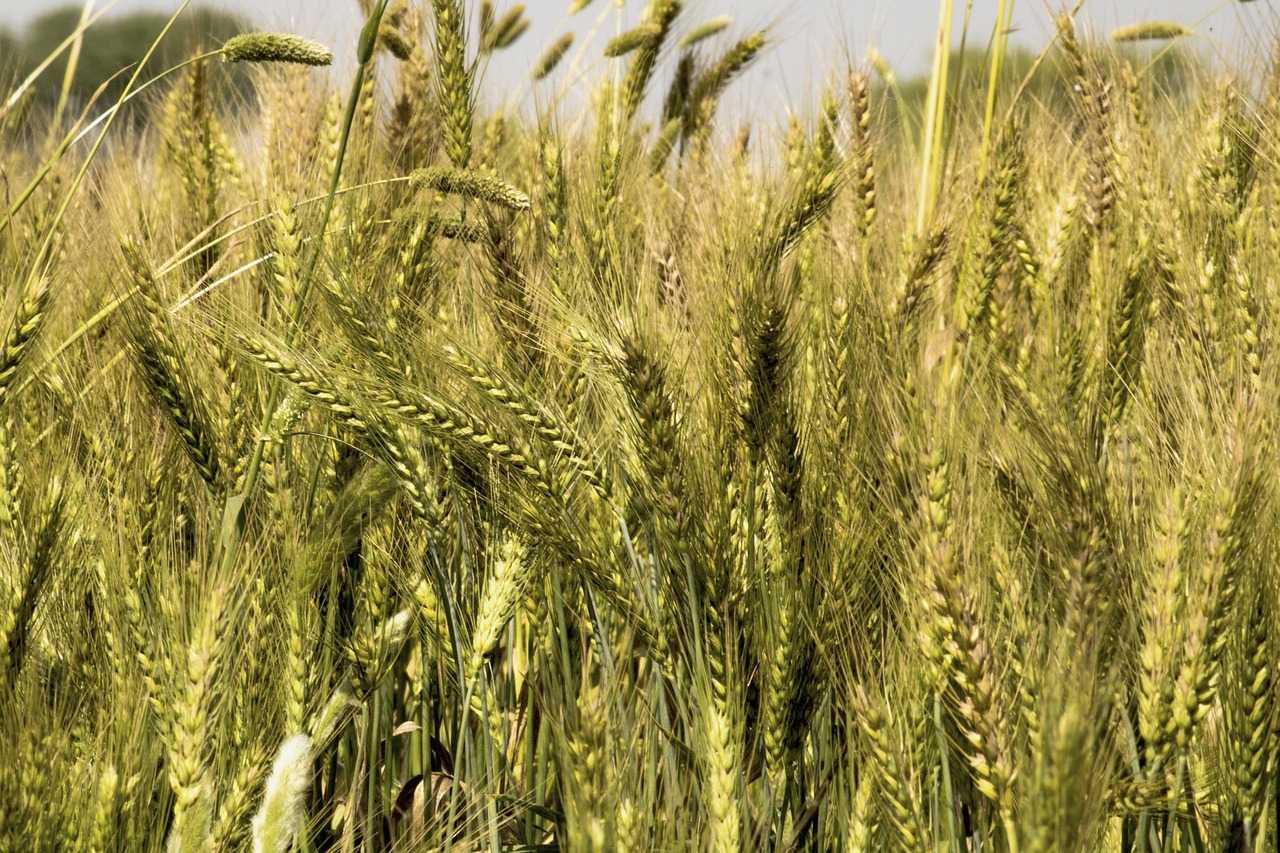
The dough starts with type 1 and type 2 flours from our area. Italian flours are graded by how finely they are milled: 00 is the whitest, while types 1 and 2 keep part of the bran and the wheat germ, so they smell more of grain and have a light hazelnut colour. We add soft wheat germ, durum wheat germ and spelt, with almost no semolina. The ingredients are simple and natural, GMO-free and from integrated pest management farming, which means growers use chemical treatments only when they are really needed.
Then there’s time. Rising is a fermentation: yeasts and enzymes slowly work on the sugars and proteins in the flour, and along the way they build aromas a rushed dough never gets. That’s why ours has a long rise. How long? We let the dough decide.
It bakes at a low temperature, so the base has time to turn crisp all the way through, without burning outside or staying raw inside.
Why the toppings go on after baking
This is the difference you notice straight away: Pan di20 comes out of the oven, and only then do the toppings go on. Try putting a slice of Prosciutto Crudo riserva di Nonno Bruno, aged 30 months, in a hot oven. Within minutes it turns salty and dry, and loses the sweet aroma it took two and a half years to build.
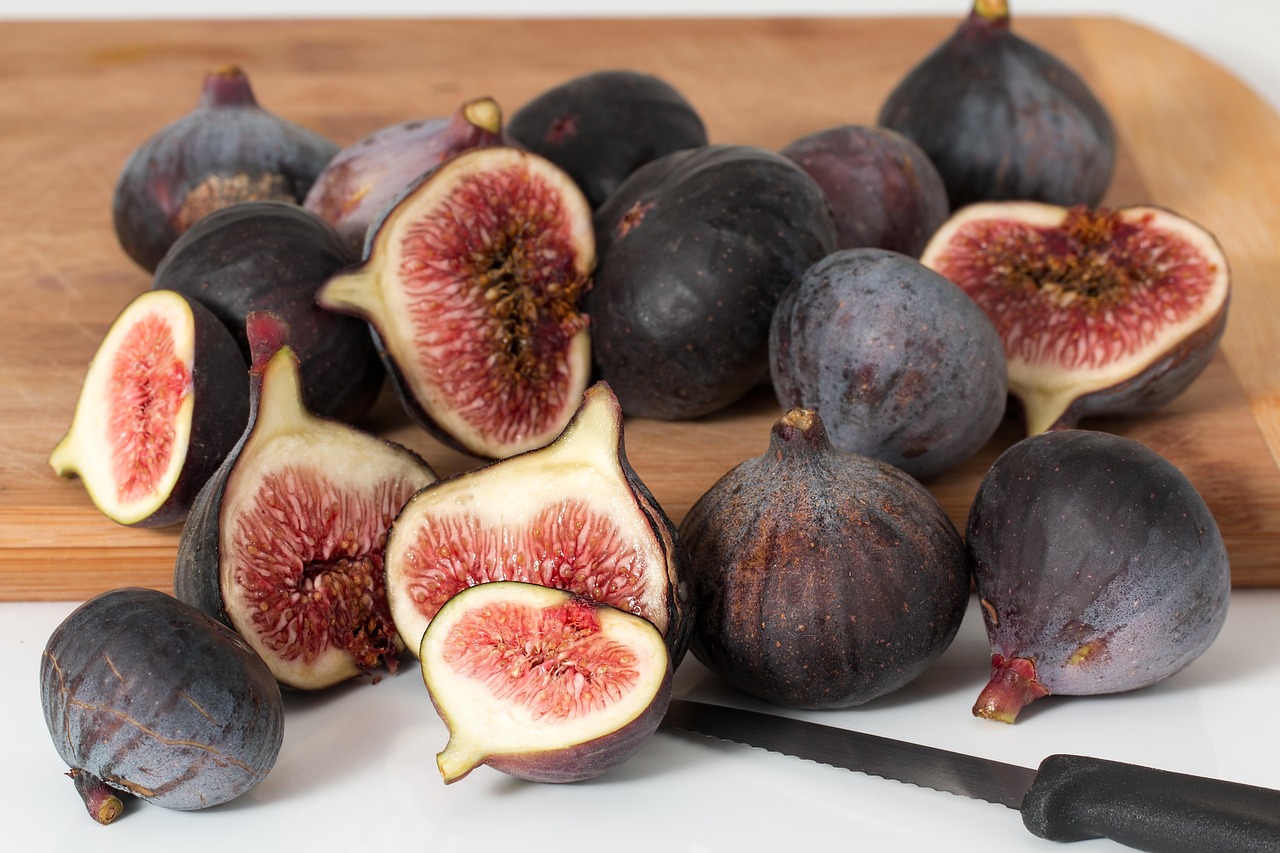
So on La Prosciutto Crudo the ham arrives untouched, laid on top. La Culatello carries Culatello di Zibello DOP Dallatana, the most prized cured meat of the lowlands along the Po river, with fior di latte mozzarella and extra virgin olive oil, nothing more. On Pan di20 Prosciutto e Fichi the fresh Italian figs stay truly fresh. And La Gambero Crudo, on a multigrain base, comes with raw prawn tails: cooking them would miss the point entirely.
Where to eat in Parma: Pan di20 whole, Mignon or inside a dish
On our menu, Pan di20 takes the place of starters, at lunch and dinner alike. You can share it in the middle of the table while you wait for your pasta, or have one to yourself as a main. If you just want a taste, there’s the Mignon size, one third of the full one: that way you can try two instead of one.
At the moment you’ll find, among others:
- Come la Margherita (“like a Margherita”): fior di latte, organic Corbara peeled tomatoes, red and yellow datterini tomato confit, basil cream;
- La Rossa: Adriatic anchovies, capers and oregano from Pantelleria, Riviera olives and Coppini extra virgin olive oil;
- Pan di20 Prosciutto e Fichi: Corbara peeled tomatoes, fior di latte mozzarella, Prosciutto Crudo riserva di Nonno Bruno aged 30 months, Campana buffalo mozzarella DOP and fresh Italian figs, but not for much longer;
- Pan di20 zucca e Pasta di salame: smoked pumpkin cream with rosemary, fermented pumpkin and salame paste, the most autumnal of all;
- La Tartara di Cavallo: horse meat tartare, grilled onion preserved in oil and Dijon mustard.
Pan di20 doesn’t stay in its own section of the menu, either. It becomes a crunchy crumble in the Calamarata al nero di zucca (ring-shaped pasta with cuttlefish ragù and pumpkin) and in the cocoa tagliatelle with duck ragù, and it comes alongside the duck breast in Anatra, mirtilli, rape e Pan di20 (we wrote about it in our article on our cold-season duck).
A tip from the counter: when you look up the best restaurants in Parma, you’ll rightly check the cured meats and the tortelli. But if a menu has a word you don’t know, ask about it. That’s often where a place tells you who it is.
You become what you eat: the story of the name
And the name? Read it aloud in Italian, in one breath: Pan di20, “pan-di-venti”. It sounds like “diventi”, Italian for “you become”. You become what you eat.
It’s a pun, and also the rule we follow when choosing flours and toppings. Every new Pan di20 is named after its main ingredient: that’s why the autumn one is called Pan di20 zucca e Pasta di salame.
Now that you know what it is, you can order it without asking. Or ask anyway: we’re always happy to explain, and our staff will answer any question about gluten and allergens. Today’s versions are on our up-to-date menu. You can book a table online or call us on +39 0521 234565.