Miglior ristorante di Parma? Sei domande per trovare quello giusto per te

Miglior ristorante di Parma? Sei domande per trovare quello giusto per te — Borgo20

Sei in centro, il telefono in mano, e scrivi quello che scrivono in tanti: «miglior ristorante di Parma». Te lo diciamo da Borgo20, bistrot in centro a Parma: la risposta che cerchi non sta in cima alla pagina di Google. Il ristorante giusto è quello che piace di più a te, stasera, con le persone che hai accanto.

Sembra una risposta per svicolare. Proviamo a dimostrarti il contrario, con sei domande pratiche: quelle che ci faremmo noi, che di mestiere stiamo dall’altra parte del bancone. Per ognuna ti raccontiamo anche come abbiamo risposto noi, così hai un esempio concreto da confrontare.

Dove mangiare a Parma: tipico o contemporaneo?

Prima domanda: cosa hai voglia di mangiare? Parma ha una cucina della tradizione fortissima: tortelli d’erbetta, anolini in brodo, salumi, Parmigiano Reggiano. Ci sono locali che la custodiscono così com’è e locali che la rileggono con le tecniche di oggi. Sono strade diverse, tutte e due legittime. Conta sapere quale cerchi.

Noi stiamo nel mezzo, per scelta. Il Risotto mantecato alla Parmigiana (mantecato, cioè mescolato a fine cottura con burro e formaggio finché diventa cremoso) è sempre in carta. La Punta ripiena alla Borgo20 è la punta di vitello ripiena della tradizione parmigiana, cotta però a bassa temperatura: tanto tempo e calore dolce, così la carne resta morbida. E se al tavolo c’è chi vuole solo il tipico, c’è il Menu della tradizione: tre portate per tutto il tavolo, con salumi, risotto alla parmigiana e sbrisolona.
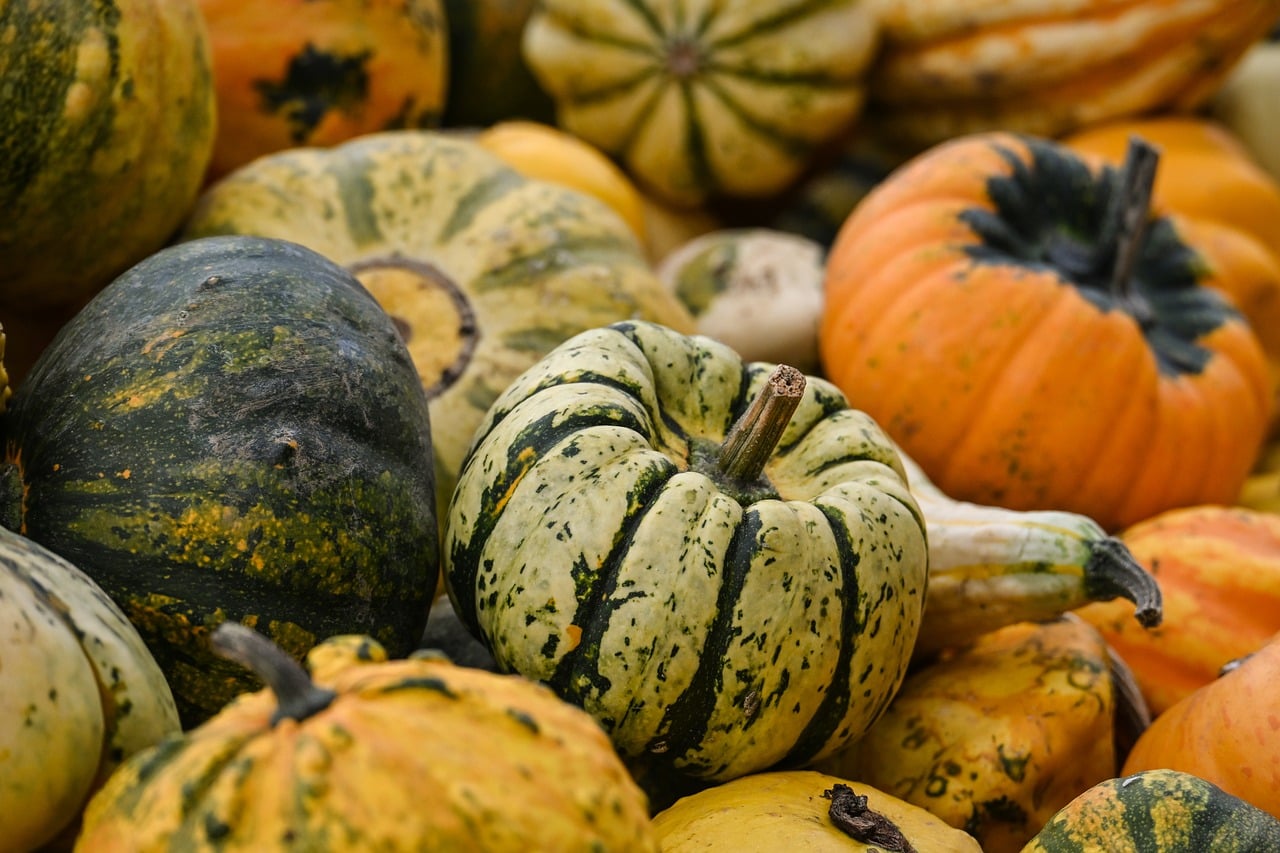
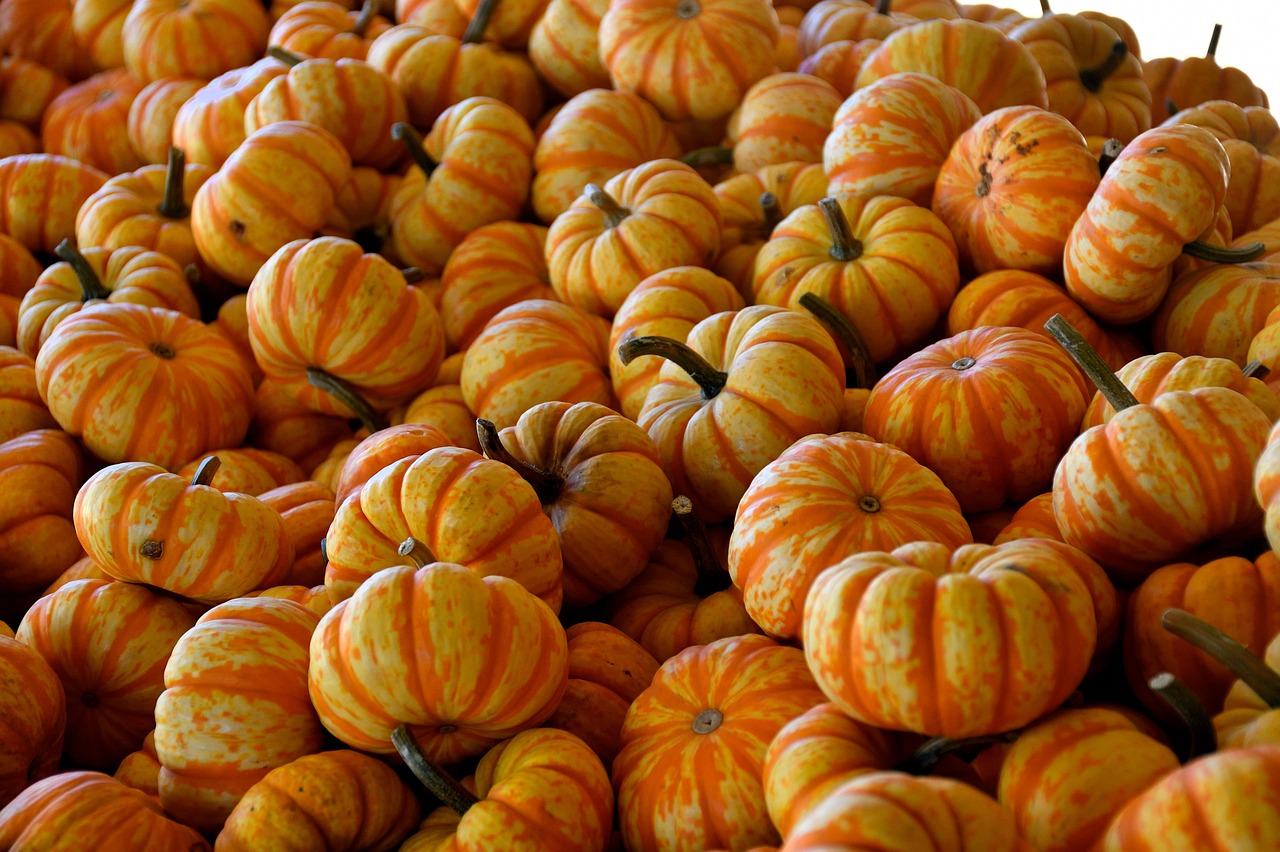
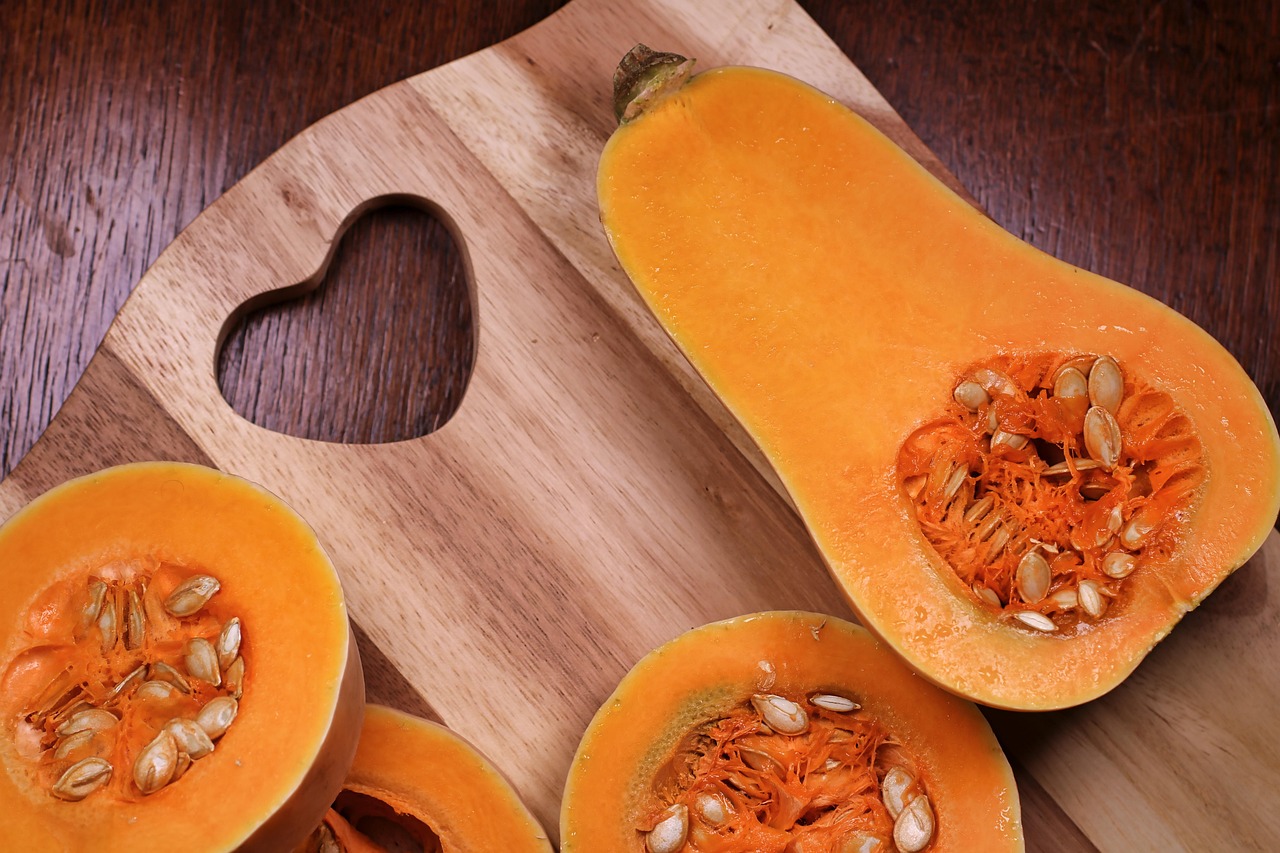
Zucche d'autunno di varietà e colori diversi
Zucche

Menu corto che cambia o menu lungo sempre uguale?

Guarda quanto è lungo il menu e, se puoi, confrontalo con quello di qualche mese fa: molti locali lo pubblicano online. Una carta corta che cambia con le stagioni di solito vuol dire che la cucina compra quello che il mercato offre in quel momento, e lo finisce. Una carta lunga, identica a gennaio e ad agosto, ti racconta un altro modo di lavorare. Per esempio, che le zucchine grigliate ci sono anche a dicembre.

Da noi il menu si muove un pezzo alla volta: quando un prodotto arriva sul mercato cambiamo uno o due piatti, non tutta la carta. I Gamberi Borgo20, per dire, in primavera e in estate stanno su una crema di piselli; adesso su una crema di zucca alla salvia. E ogni settimana c’è un primo e un secondo di pesce fuori menu, che restano un paio di settimane e poi cambiano. In questo periodo sono la Calamarata al nero di zucca, con il ragù di seppia mediterranea, e la Ricciola, Malvasia e Cardoncello. Se ti chiedi perché un bistrot parmigiano cucini il pesce, la storia è qui: Pesce a Parma: le acciughe e la via del sale.
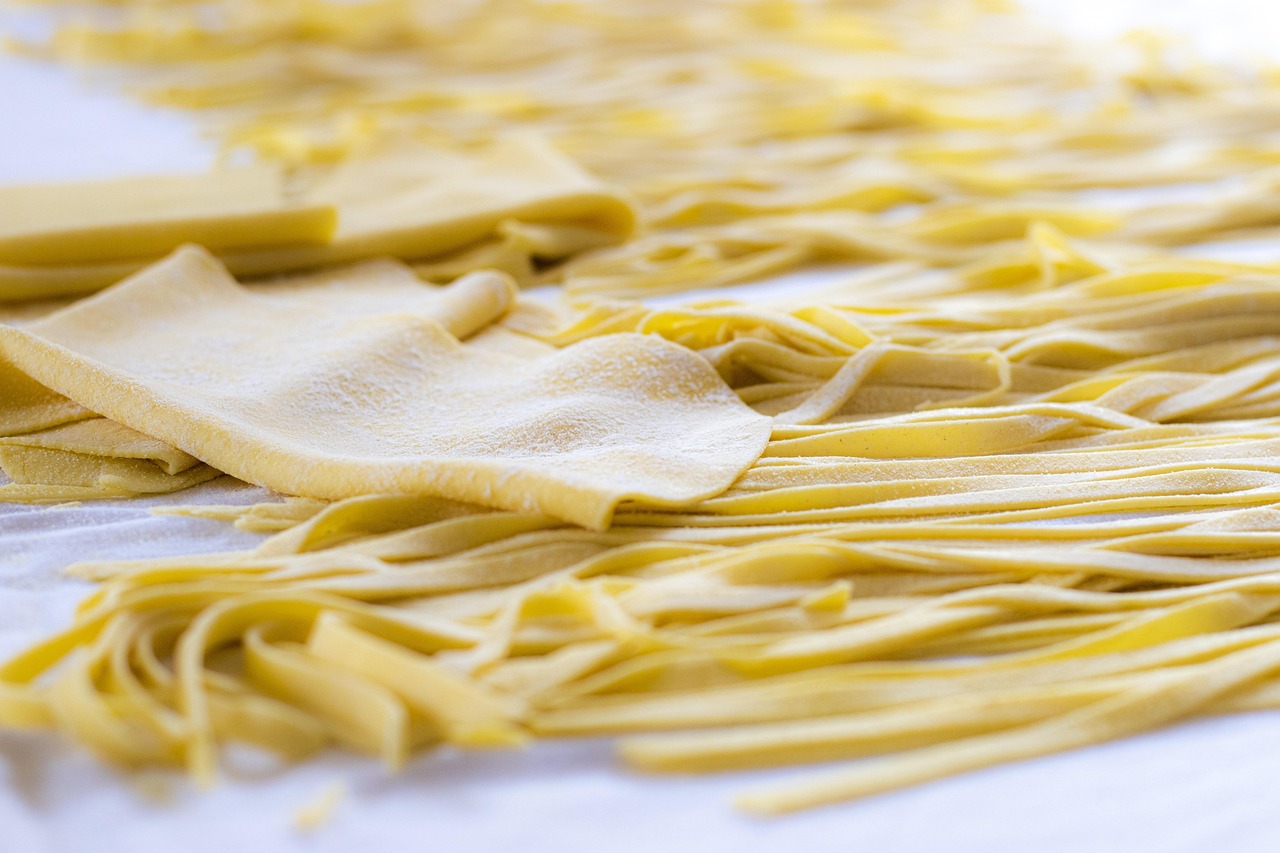
Sfoglia di pasta fresca all'uovo e tagliatelle appena tagliate
Pasta fresca

Chi fa la pasta e i dolci? E chi firma i prodotti nel menu?

Due indizi semplici. Il primo: la pasta fresca e i dolci. Prepararli in casa costa tempo e mani, e di solito si vede: i dolci hanno nomi precisi, cambiano anche loro, e chi ti serve sa raccontarti come sono fatti. Se hai un dubbio, chiedi. È una domanda legittima.

Nel nostro laboratorio nascono la pasta fresca e tutta la pasticceria: dai Sotto il vestito …Tortelli d’erbetta, con la pasta bicolore, alla Torta Sbrisolona con crema di zabaione, con uno zabaione più alcolico del solito. Diciamolo: lascia un buchetto.

Il secondo indizio: i nomi dei produttori. Un menu che scrive «prosciutto crudo» ti dice poco; uno che scrive da chi lo compra ti dà qualcosa da verificare. Nel nostro trovi il Prosciutto Crudo riserva di Nonno Bruno di Ponte Romano, 30 mesi, il Culatello di Zibello DOP Dallatana e il Parmigiano Reggiano del Caseificio Gennari di Collecchio, che puoi assaggiare nel Confronto di Parmigiano Reggiano: 24 mesi contro 70. Scrivere un nome nel menu è un impegno, per noi e per chi ci rifornisce.

Campo avvolto dalla nebbia d'autunno con un grande albero e una panchina
Albero

Centro storico o campagna?

Parma è piccola, ma la sua cucina si allarga fino alle colline e alla Bassa, la pianura lungo il Po dove nasce il Culatello. Fuori città trovi spesso spazio, parcheggio e il ritmo lento della campagna. In centro trovi tutto a piedi, prima o dopo una visita al Battistero o una serata a teatro. Anche qui non esiste una risposta giusta: dipende da come sei arrivato e da quanto tempo hai.

Noi abbiamo scelto il centro storico: Borgo20 è in Borgo XX Marzo 14/16, accanto al Duomo. Il locale ricorda un bistrot parigino, con tavolini piccoli e vicini e la vista sui fuochi; d’estate si mangia anche fuori, nel borgo. Se cerchi un ristorante vicino al Duomo di Parma per la pausa pranzo, sappi che a mezzogiorno il menu è lo stesso della sera.

Guide e recensioni: come leggere le liste dei migliori ristoranti di Parma

Le guide e le classifiche servono, se le leggi con un po’ di metodo. Guarda la data: una lista di tre anni fa racconta un locale di tre anni fa. Guarda chi la firma e con quali criteri. Anche noi siamo finiti in una di queste liste: Gambero Rosso, «Dove mangiare a Parma. I 10 migliori ristoranti», dicembre 2023. Fa piacere, e vale la regola di prima: controlla la data, anche la nostra.

Con le recensioni online funziona allo stesso modo. Leggi le più recenti, non solo il voto medio. Leggi quelle negative e come risponde il locale: lì capisci che aria tira. E guarda le foto dei clienti: se i piatti sono sempre gli stessi da anni, hai già la risposta alla seconda domanda.

Le sei domande, in breve

  • Cerco la cucina tipica così com’è, o rivista con le tecniche di oggi?
  • Il menu è corto e cambia con le stagioni?
  • La pasta fresca e i dolci li fanno loro?
  • Nel menu ci sono i nomi dei produttori?
  • Voglio stare in centro o in campagna?
  • Le guide e le recensioni che leggo sono recenti?

Le nostre risposte le trovi tutte nel menu di Borgo20, che si aggiorna quando cambia un piatto. Se ti convincono, prenota il tavolo online oppure chiamaci allo 0521 234565: siamo aperti dal martedì al sabato, a pranzo e a cena. Se invece scegli un altro posto, va bene lo stesso. Almeno adesso sai cosa guardare.
Best restaurant in Parma? Six questions to find the right one for you

Best restaurant in Parma? Six questions to find the right one for you — Borgo20

You’re in the old town, phone in hand, typing what plenty of visitors type: “best restaurant in Parma”. We’re writing this from Borgo20, a bistro in Parma, right in the historic centre, and here’s our honest answer: Google can’t tell you. The right restaurant is the one you’ll enjoy most tonight, with the people sitting next to you.

Sounds like a dodge, we know. So here’s how to work it out yourself: six practical questions, the ones we’d ask, since we spend our working lives on the other side of the counter. For each one we’ll also tell you how we answered it, so you have a real example to compare.

Where to eat in Parma: traditional or contemporary?

First question: what are you in the mood for? Parma has a strong traditional cuisine: tortelli d’erbetta (pasta parcels filled with ricotta and chard), anolini in brodo (small filled pasta served in broth), cured meats and Parmigiano Reggiano. Some places keep that cooking exactly as it has always been; others reinterpret it with modern techniques. Both are perfectly valid. What matters is knowing which one you want.

We sit in the middle, on purpose. Our Risotto mantecato alla Parmigiana is always on the menu: “mantecato” means the rice is stirred with butter and cheese at the end until it turns creamy. The Punta ripiena alla Borgo20 is Parma’s traditional stuffed veal breast, but slow-cooked at low temperature, so the meat stays tender. And if someone at the table only wants the classics, there’s the Menu della tradizione: three traditional courses for the whole table, with cured meats, Parmesan risotto and Sbrisolona, a crumbly almond cake.

Autumn squashes in different varieties and colours
Squashes

A short menu that changes, or a long one that never does?

Look at how long the menu is and, if you can, compare it with the version from a few months ago: many places post theirs online. A short menu that follows the seasons usually means the kitchen buys what the market offers right now, and uses it up. A long menu that is identical in January and in August tells you about a different way of working. Courgettes on the grill in December, for example.

Our menu changes a piece at a time: when a product comes into season, we swap one or two dishes, not the whole list. Our Gamberi Borgo20 (oven-roasted prawns) sit on a pea cream in spring and summer; right now they sit on a pumpkin and sage cream. Every week there’s also an off-menu pasta and an off-menu main course with fish, which stay for a couple of weeks and then change. At the moment they are the Calamarata al nero di zucca, ring-shaped pasta with a Mediterranean cuttlefish ragù, and Ricciola, Malvasia e Cardoncello: amberjack with roasted king oyster mushrooms and a sauce made with Malvasia, a local white wine. Wondering why a Parma bistro cooks fish at all? The story is here: Anchovies and the salt road.

Fresh egg pasta sheets and freshly cut tagliatelle
Fresh pasta

Who makes the pasta and desserts, and who supplies the kitchen?

Two simple clues. The first is fresh pasta and desserts. Making them in-house takes time and skilled hands, and it usually shows: desserts have specific names, they change too, and the staff can tell you how they’re made. If in doubt, ask. It’s a fair question.

In our kitchen workshop we make our fresh pasta and all our desserts. That includes Sotto il vestito …Tortelli d’erbetta (a playful name meaning “under the dress”: under the two-coloured pasta are classic Parma tortelli) and the Torta Sbrisolona con crema di zabaione, served with zabaione, a whipped egg-yolk and wine cream, “more boozy than usual”, as our menu says. Do save some room.

The second clue is producers’ names. A menu that just says “prosciutto” tells you little; one that names the supplier gives you something to check. On ours you’ll find the Prosciutto Crudo riserva di Nonno Bruno from Ponte Romano, aged 30 months; Culatello di Zibello DOP from Dallatana, a prized cured pork from the lowlands along the river Po; and Parmigiano Reggiano from the Caseificio Gennari dairy in Collecchio, which you can taste in the Confronto di Parmigiano Reggiano: 24 months against 70. Putting a name on the menu is a commitment, for us and for the people who supply us.

Field wrapped in autumn fog with a large tree and a bench
Tree

Old town or countryside?

Parma is a small city, but its food reaches out to the hills and to the Bassa, the flat lowlands along the Po where Culatello is made. Out of town you often get space, parking and a slower countryside pace. In the centre, everything is walkable, before or after a visit to the Baptistery or a night at the opera. Again, there’s no right answer: it depends on how you got here and how much time you have.

We chose the old town. Borgo20 is at Borgo XX Marzo 14/16, next to the Cathedral. A bistro, if you’re wondering, is a small and informal restaurant, and ours feels like a Parisian one: small tables close together and a view of the stoves. In summer you can also eat outside, in the narrow street. If you need a restaurant near Parma Cathedral for lunch, good to know: the lunch menu is the same as the dinner one.

Guides and reviews: how to read lists of the best restaurants in Parma

Guides and rankings are useful if you read them with a bit of method. Check the date: a list from three years ago describes a restaurant as it was three years ago. Check who wrote it and how they chose. We ended up on one of these lists ourselves: Gambero Rosso, one of Italy’s best-known food guides, “Dove mangiare a Parma. I 10 migliori ristoranti” (“Where to eat in Parma: the 10 best restaurants”), December 2023. Nice to see, and the same rule applies: check the date, ours included.

Online reviews work the same way. Read the most recent ones, not just the average score. Read the negative ones and how the restaurant replies: that tells you a lot. And look at guests’ photos: if the dishes haven’t changed in years, you already have your answer to the second question.

The six questions at a glance

  • Do I want traditional cooking as it always was, or reworked with modern techniques?
  • Is the menu short, and does it change with the seasons?
  • Do they make their own fresh pasta and desserts?
  • Does the menu name its producers?
  • Do I want to stay in the centre or head to the countryside?
  • Are the guides and reviews I’m reading recent?

You’ll find all our answers on the Borgo20 menu, which is updated whenever a dish changes. If they convince you, book a table online or call us on +39 0521 234565: we’re open Tuesday to Saturday, for lunch and dinner. And if you pick somewhere else, that’s fine too. At least now you know what to look for.

Codice delle uova: come leggerlo, spiegato da un bistrot in centro a Parma

Codice delle uova: come leggerlo, spiegato da un bistrot in centro a Parma — Borgo20

Prendi un uovo dal frigo e giralo sotto la luce. Sul guscio c’è una riga di lettere e numeri stampata in rosso: quasi nessuno la legge, eppure è la carta d’identità dell’uovo. Da Borgo20, ristorante vicino al Duomo di Parma, usiamo solo uova di galline allevate all’aperto: e quella riga lo dice subito. Ecco come leggere il codice delle uova in trenta secondi, davanti allo scaffale del supermercato.

Il codice delle uova, cifra per cifra

La prima cifra è quella che conta di più. Dice come vive la gallina che ha deposto l’uovo:

  • 0 – biologico: galline con accesso all’aperto, mangime biologico e meno animali per metro quadro nel capannone.
  • 1 – all’aperto: di giorno le galline possono uscire su un terreno esterno, con almeno 4 metri quadri a testa.
  • 2 – a terra: niente gabbie, ma le galline restano sempre al chiuso, in capannoni fino a 9 animali per metro quadro.
  • 3 – in gabbia: gabbie “arricchite”, con poco più dello spazio di un foglio A4 per ogni gallina.

Subito dopo vengono due lettere: il Paese in cui l’uovo è stato deposto (IT per l’Italia). Poi il codice del comune, la sigla della provincia e il numero dell’allevamento. Se in mezzo ai numeri trovi PR, la gallina vive in provincia di Parma. Con quella riga l’uovo si può rintracciare fino al pollaio da cui arriva.

Lo stesso sistema vale in tutta l’Unione Europea: quello che impari oggi ti serve anche in vacanza.

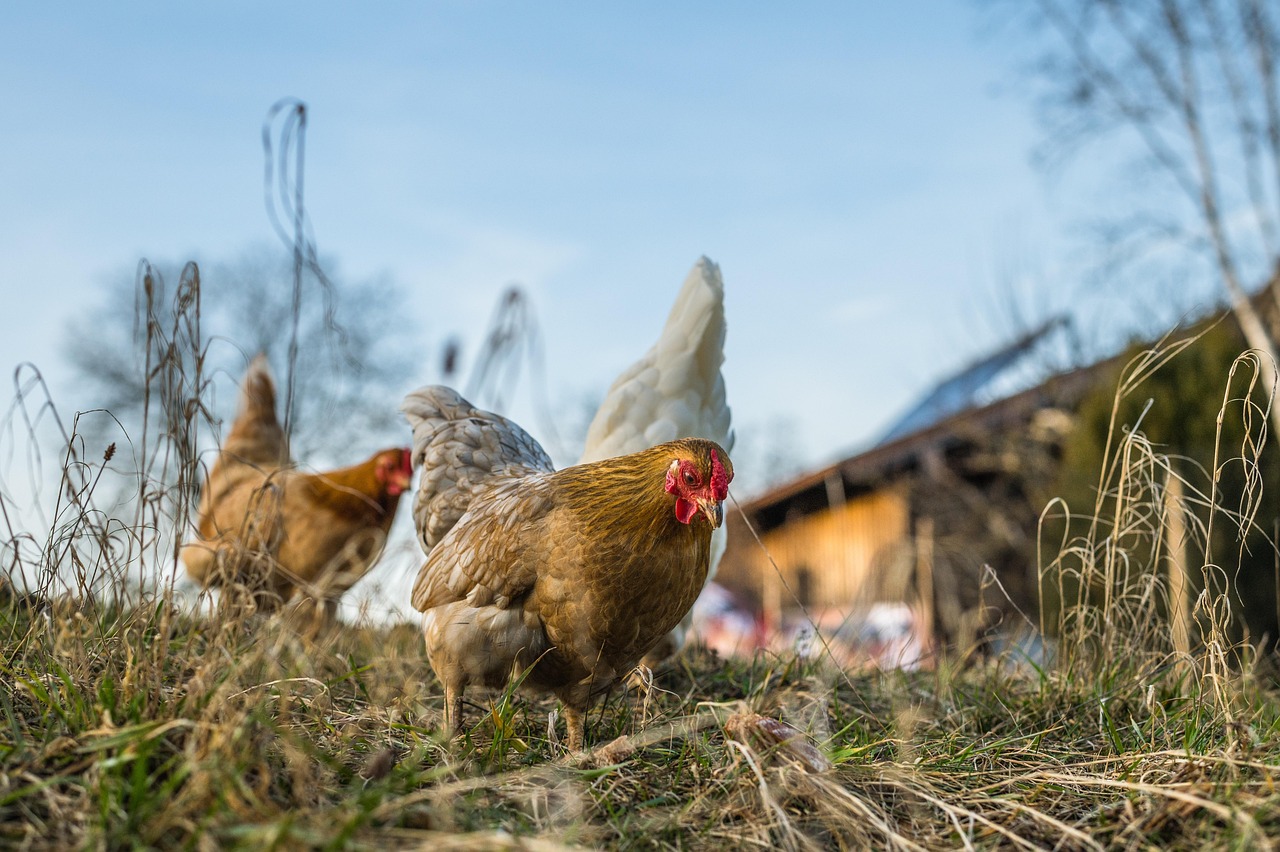
Galline che razzolano sull’erba all’aperto

Cosa cambia per la gallina tra un 3 e un 1

Non è un dettaglio da etichetta. Una gallina che può stare all’aperto razzola, cioè gratta il terreno con le zampe in cerca di semi e insetti. Fa i bagni di terra per pulirsi le piume. Prende il sole. In gabbia, anche se “arricchita”, questi gesti li fa a fatica, o non li fa.

Quella cifra sul guscio racconta, in un numero solo, quanto spazio ha avuto per essere una gallina.

Noi la pensiamo così: un animale che sta bene dà un prodotto migliore. Siamo ciò che mangiamo, e vale anche per quello che mangiano le galline.

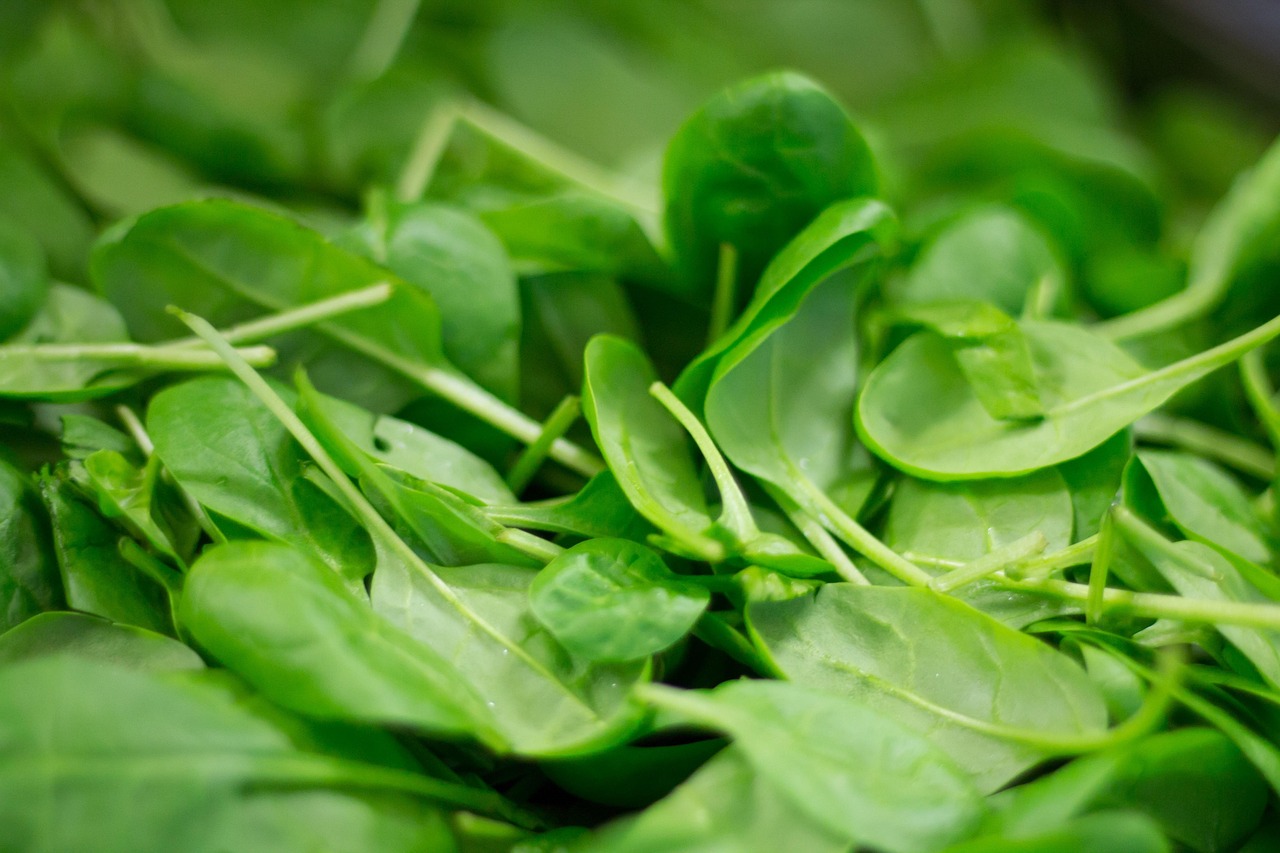
Foglie di spinaci freschi

Dove mangiare a Parma: il nostro uovo di galline all’aperto

Le nostre uova arrivano da un fornitore della provincia di Parma, solo da galline allevate all’aperto. In questo periodo le trovi protagoniste in un piatto dal nome un po’ provocatorio: Dov’è l’Uovo Ruspante?

L’uovo è cotto a bassa temperatura, cioè tenuto a lungo a una temperatura moderata e costante: è una tecnica che lascia il tuorlo cremoso. Intorno ci sono un nido di spinaci freschi saltati, una spuma di patata affumicata, i crostini di Pan di20 (se non sai cos’è, qui ti raccontiamo cos’è davvero il Pan di20) e una polvere di peperone crusco di Senise IGP, il peperone dolce essiccato della Basilicata.

Quando cerchi il miglior ristorante di Parma per i tuoi gusti, una domanda semplice da fare in sala è proprio questa: da dove arrivano le uova? Vale ovunque, anche da noi.

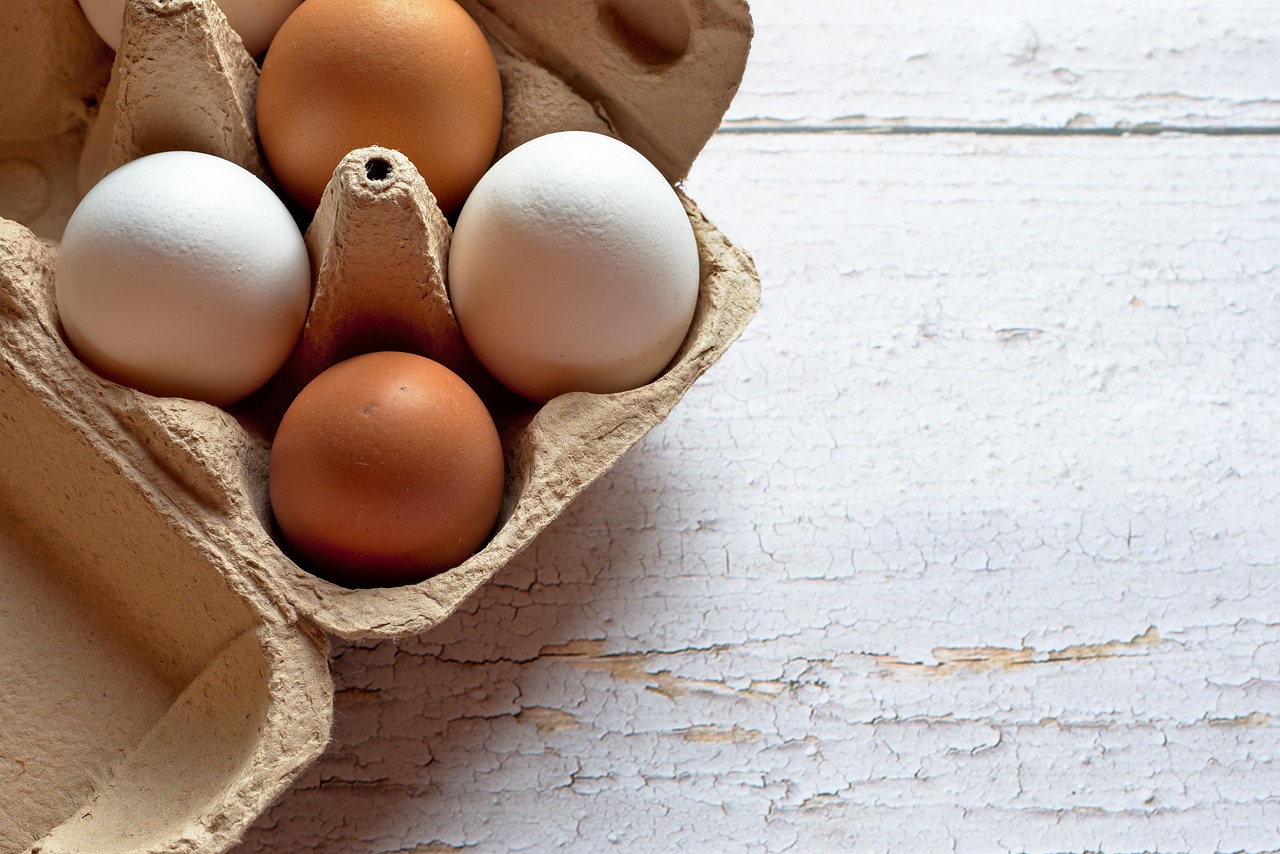
Uova bianche e marroni in una confezione di cartone

Al supermercato: cosa guardare oltre al numero

Le confezioni sono piene di galline sorridenti disegnate e prati verdissimi. Lascia perdere i disegni e guarda il codice sul guscio, poi la dicitura ufficiale sulla scatola (“uova da allevamento all’aperto”, “a terra”…). Anche la parola “ruspante”, diciamolo, sulle uova non è una delle quattro diciture previste dalla legge: quello che conta è la cifra.

Altre tre cose utili:

La data. Il “da consumarsi preferibilmente entro” è fissato al massimo a 28 giorni dalla deposizione. Se la scatola riporta anche la data di deposizione, ancora meglio: sai esattamente quanti giorni ha l’uovo.

Il colore del tuorlo. Dipende da cosa mangia la gallina (mais, erba, e a volte pigmenti aggiunti al mangime), non dalla freschezza. Un tuorlo arancione acceso non è una garanzia. Il colore del guscio, bianco o marrone, dipende invece dalla razza.

La prova del bicchiere. A casa metti l’uovo in un bicchiere d’acqua fredda. Se è freschissimo va a fondo e resta sdraiato. Più invecchia, più la camera d’aria interna si allarga e lo fa alzare in piedi.

Se vuoi assaggiare un uovo di galline all’aperto cucinato a modo nostro, guarda il menu: cambia spesso, segue le stagioni. Poi prenota il tavolo online o chiamaci allo 0521 234565. Siamo in Borgo XX Marzo 14/16, dal martedì al sabato.

Egg codes explained: what 0, 1, 2 and 3 mean, from a bistro in Parma

Egg codes explained: what 0, 1, 2 and 3 mean, from a bistro in Parma — Borgo20

Take an egg out of the fridge and turn it under the light. There’s a line of red letters and numbers printed on the shell. Almost nobody reads it, yet it’s the egg’s ID card. At Borgo20, a restaurant near Parma Cathedral, we only use eggs from free-range hens, and that little code tells you so at a glance. Here’s how to read it in thirty seconds, standing in front of any supermarket shelf in Europe.

Egg codes explained, digit by digit

The first digit matters most. It tells you how the hen that laid the egg lives:

  • 0 – organic: hens with outdoor access, organic feed and fewer birds per square metre in the henhouse.
  • 1 – free range: during the day the hens can go outside onto open ground, with at least 4 square metres each.
  • 2 – barn: no cages, but the hens stay indoors all the time, in sheds with up to 9 birds per square metre.
  • 3 – cage: so-called “enriched” cages, with only a little more space per hen than a sheet of A4 paper.

Next come two letters: the country where the egg was laid (IT for Italy). Then a code for the town, the province initials and the number of the farm. If you spot PR among the numbers, the hen lives in the province of Parma. That single line makes every egg traceable back to its henhouse.

The same system is used across the whole European Union, so it works wherever you’re travelling.

Hens scratching around on the grass outdoors

What the number means for the hen

The difference between a 3 and a 1 is not a labelling detail. A hen that can go outside scratches the ground with her feet looking for seeds and insects. She takes dust baths to clean her feathers. She sits in the sun. In a cage, even an “enriched” one, she can barely do any of that.

That one digit on the shell sums up how much room she had to be a hen.

Our view is simple: an animal that lives well gives a better product. You are what you eat, and that goes for what the hens eat too.

Fresh spinach leaves

Where to eat in Parma: our free-range egg dish

Our eggs come from a supplier in the province of Parma, and only from free-range hens. At the moment they star in a dish with a slightly cheeky name, Dov’è l’Uovo Ruspante? It means “Where’s the farmyard egg?”: in Italian, “ruspante” is the word for a hen that scratches around in the open.

The egg is cooked at low temperature, meaning it’s held for a long time at a gentle, steady heat, a technique that keeps the yolk creamy. Around it: a nest of freshly sautéed spinach, a smoked potato foam, crisp croutons of Pan di20 (our own long-risen bake, a bit like a Turin-style pan pizza but its own thing: here’s what Pan di20 really is) and a dusting of peperone crusco di Senise IGP, a sweet dried pepper from Basilicata in southern Italy.

If you’re looking for the best restaurants in Parma for your own taste, here’s a simple question to ask at the table: where do the eggs come from? It works anywhere, including at ours.

White and brown eggs in a cardboard carton

At the shop: what to check beyond the number

Egg boxes love cartoon hens and impossibly green meadows. Ignore the drawings. Look at the code on the shell, then at the official wording on the box (“free range eggs”, “barn eggs” and so on). In Italy, even the word “ruspante” on eggs is not one of the four official farming terms: the digit is what counts.

Three more useful things:

The date. The “best before” date is set at no more than 28 days after laying. If the box also shows the laying date, even better: you know exactly how old the egg is.

Yolk colour. It depends on what the hen eats (maize, grass, and sometimes pigments added to the feed), not on freshness. A bright orange yolk is no guarantee. Shell colour, white or brown, simply depends on the breed.

The glass test. At home, put the egg in a glass of cold water. A very fresh egg sinks and lies flat. As it ages, the air pocket inside grows and makes it stand up.

If you’d like to taste a free-range egg cooked our way, have a look at the menu: it changes often and follows the seasons. Then book a table online or call us on +39 0521 234565. You’ll find us at Borgo XX Marzo 14/16, in the old town, from Tuesday to Saturday.

«Ma è una pizza?» Cos’è davvero il Pan di20, il lievitato di un bistrot a Parma

«Ma è una pizza?» Cos’è davvero il Pan di20, il lievitato di un bistrot a Parma — Borgo20

«Scusi, ma è una pizza?» Da borgo20, ristorante in centro a Parma a due passi dal Duomo, è la domanda che sentiamo più spesso, di solito con il menu ancora in mano. La risposta breve sta già sul nostro sito: «Una pizza gourmet? Nooo… il Pan di20 è il Pan di20. E basta.»

Quella lunga parte dal padellino torinese, passa per un sacco di farina e finisce con un gioco di parole. Mettiti comodo.

Dal padellino torinese al Pan di20

A Torino il padellino, o pizza al tegamino, è un’istituzione: un impasto alto e morbido, cotto in piccole teglie rotonde unte d’olio, con il fondo che diventa dorato e croccante. Si mangia intero, uno a testa.

Carlo, il titolare e lo chef di borgo20, ha la famiglia della mamma torinese. Quel padellino ce l’ha nel DNA, insieme alla pasticceria: un suo antenato era pasticcere alla Real Casa Savoia. Il Pan di20 nasce da lì, ma è più contemporaneo e più leggero. Leggerissimo, e fuori super croccante. Se proprio devi spiegarlo a un amico, puoi dire «simile a una pizza al padellino». Noi continuiamo a chiamarlo Pan di20.

Dietro c’è l’esperienza di Carlo nella panificazione. È autodidatta: ha studiato e sperimentato da solo, e nel tempo si è confrontato e ha lavorato da collega con alcuni dei nomi più importanti dei lievitati contemporanei in Italia. Diciamolo: sull’impasto non improvvisiamo.

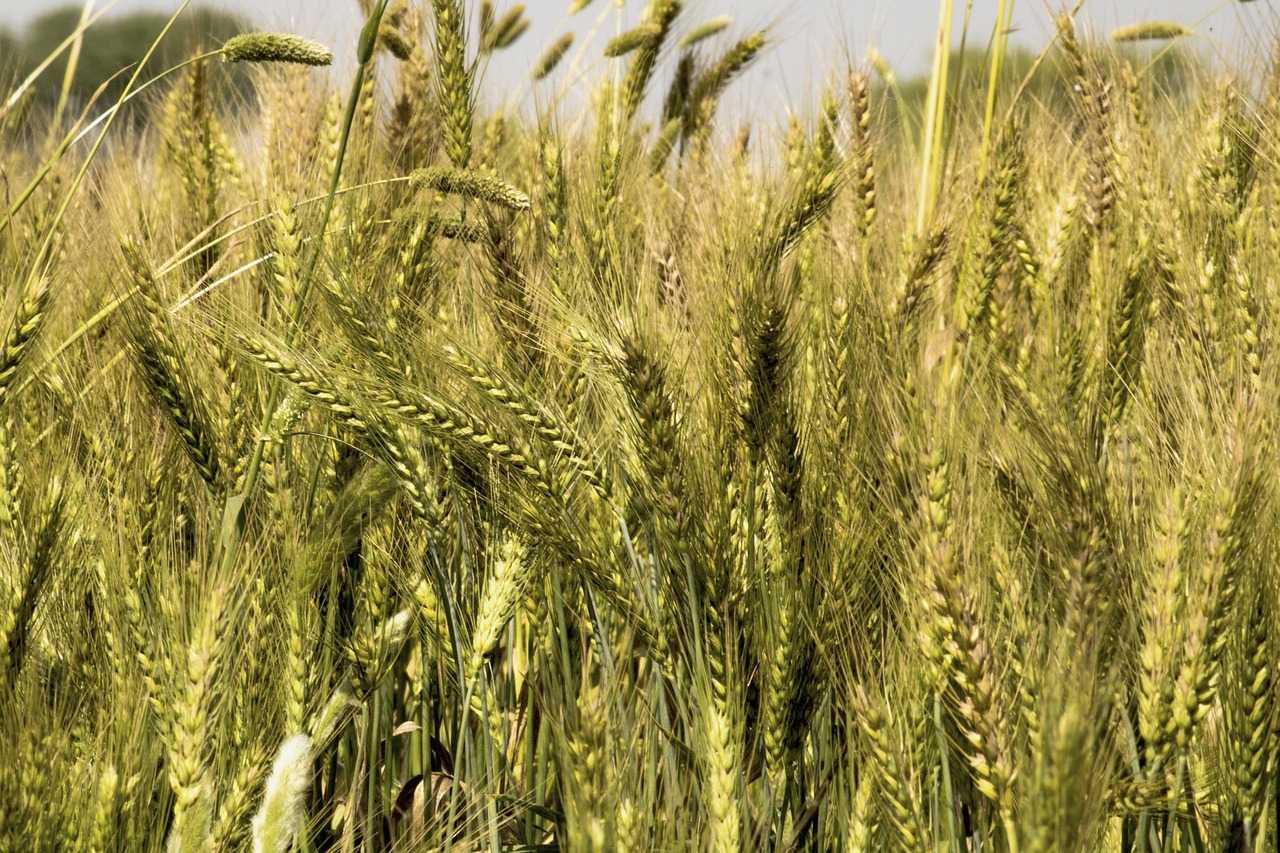
Spighe di grano in un campo

Farine del territorio e una lunga lievitazione

L’impasto parte da farine del territorio di tipo 1 e 2. Sono farine meno raffinate della 00: nella macinatura conservano una parte della crusca e del germe, quindi hanno più profumo e un colore che tira al nocciola. Noi le arricchiamo con germe di grano tenero, germe di grano duro e farro, quasi senza semola. Gli ingredienti sono semplici e naturali, senza OGM, da agricoltura a lotta integrata, cioè un modo di coltivare che usa i prodotti chimici solo quando servono davvero.

Poi c’è il tempo. La lievitazione è una fermentazione: lieviti ed enzimi lavorano piano sugli zuccheri e sulle proteine della farina e, intanto, sviluppano aromi che un impasto fatto di corsa non avrà mai. Per questo la nostra è una lunga lievitazione. Quanto lunga? Lasciamo che sia l’impasto a deciderlo.

La cottura è a bassa temperatura: la base ha il tempo di diventare croccante fino in fondo, senza bruciarsi fuori e restare cruda dentro.

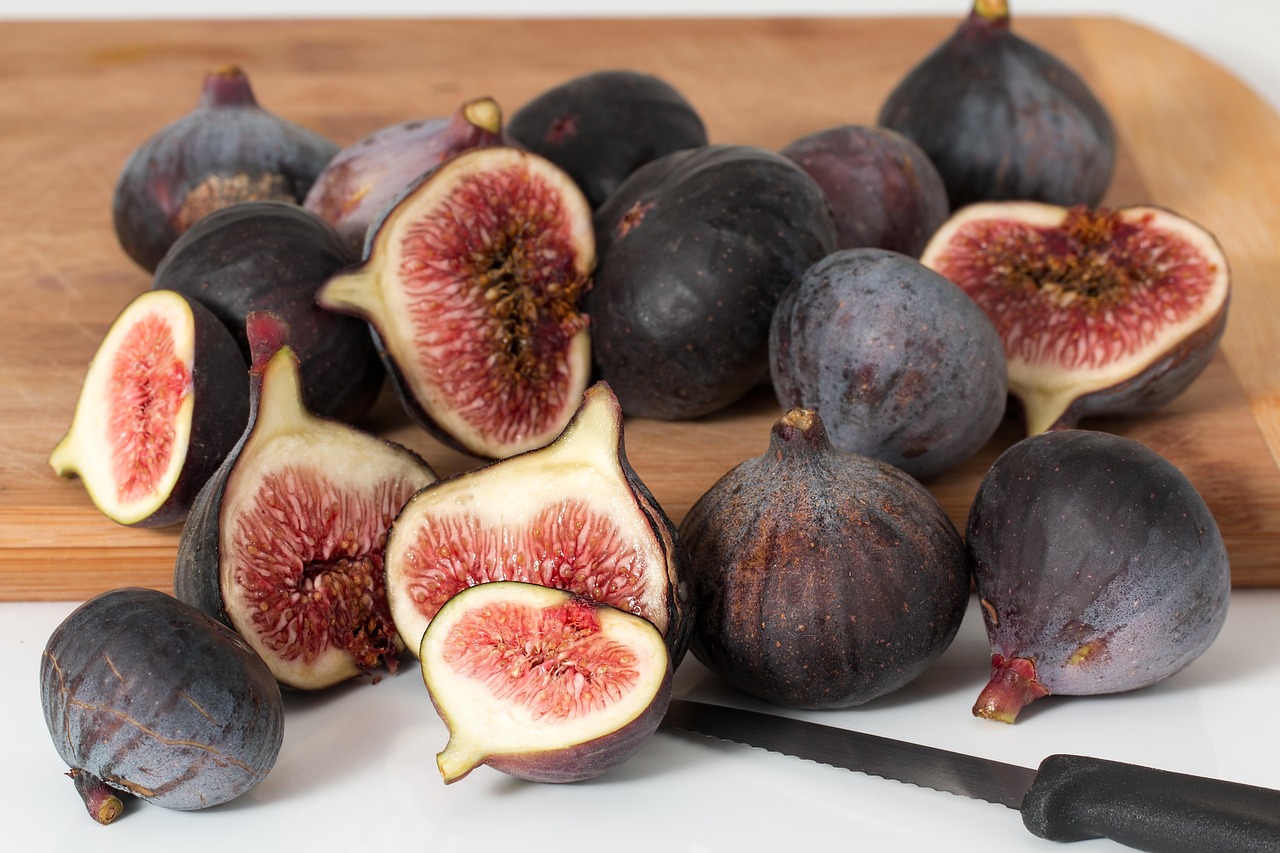
Fichi freschi interi e tagliati a metà

Perché si farcisce dopo la cottura

Ecco la differenza che si vede subito: il Pan di20 esce dal forno e solo dopo si farcisce. Prova a mettere in forno una fetta di Prosciutto Crudo riserva di Nonno Bruno da 30 mesi. In pochi minuti diventa salata e secca, e perde il profumo dolce che ha impiegato due anni e mezzo a costruire.

Così su La Prosciutto Crudo il prosciutto arriva intatto, appoggiato sopra. Su La Culatello c’è il Culatello di Zibello DOP Dallatana con fior di latte e olio EVO, niente di più. Sul Pan di20 Prosciutto e Fichi i fichi freschi italiani restano freschi davvero. E La Gambero Crudo, sulla base multicereali, porta code di gambero crude: lì cuocerle sarebbe proprio un controsenso.

Piccole zucche arancioni a strisce

Dove mangiare a Parma: il Pan di20 intero, Mignon o dentro un piatto

In menu il Pan di20 prende il posto degli antipasti, a pranzo e a cena. Puoi dividerlo al centro del tavolo mentre aspetti il primo, oppure mangiarlo da solo come piatto unico. Se vuoi solo assaggiare c’è la versione Mignon, un terzo di quella intera: così ne provi due invece di uno.

In questo periodo trovi, tra gli altri:

  • Come la Margherita: fior di latte, pelati biologici di Corbara, datterini confit rossi e gialli, crema di basilico;
  • La Rossa: acciughe dell’Adriatico, capperi e origano di Pantelleria, olive di riviera e olio EVO Coppini;
  • Pan di20 Prosciutto e Fichi: pomodoro pelato di Corbara, mozzarella fior di latte, Prosciutto Crudo riserva di Nonno Bruno 30 mesi, mozzarella di bufala campana DOP e fichi freschi italiani, ancora per poco;
  • Pan di20 zucca e Pasta di salame: crema di zucca affumicata al rosmarino, zucca fermentata e pasta di salame, il più autunnale di tutti;
  • La Tartara di Cavallo: tartara di cavallo, cipolla grigliata sott’olio e senape di Dijon.

Il Pan di20 non resta chiuso nel suo capitolo del menu. Diventa crumble croccante nella Calamarata al nero di zucca e nelle tagliatelle al cacao con ragù d’anatra, e accompagna il petto d’anatra in Anatra, mirtilli, rape e Pan di20 (te lo abbiamo raccontato nell’articolo sull’anatra dei primi freddi).

Un consiglio da bancone: quando cerchi i migliori ristoranti di Parma, guardi giustamente salumi e tortelli. Ma se in un menu trovi una parola che non conosci, chiedi. Spesso è lì che un locale ti racconta chi è.

Diventi ciò che mangi: la storia del nome

E il nome? Leggilo ad alta voce, tutto d’un fiato: Pan di20. Pan-diventi. Diventi ciò che mangi.

È un gioco di parole, e insieme il criterio con cui scegliamo farine e ingredienti. Ogni nuovo Pan di20 prende il nome dal suo ingrediente principale: per questo quello d’autunno si chiama Pan di20 zucca e Pasta di salame.

Adesso che sai cos’è, puoi ordinarlo senza chiedere. Oppure chiedere lo stesso: rispondiamo sempre volentieri, e per glutine e allergeni il personale in sala ti dice tutto. Le versioni del momento sono nel menu aggiornato. Puoi prenotare il tavolo online oppure chiamarci allo 0521 234565.

“Is it a pizza?” What Pan di20 really is, at a bistro in Parma near the Cathedral

“Is it a pizza?” What Pan di20 really is, at a bistro in Parma near the Cathedral — Borgo20

“Excuse me, is it a pizza?” At borgo20, a restaurant near Parma Cathedral in the old town, it’s the question we hear most, usually with the menu still in hand. The short answer is already on our website: “A gourmet pizza? Nooo… Pan di20 is Pan di20. Full stop.”

The long answer starts with the Turin padellino, goes through a sack of flour and ends with a pun. Pull up a chair.

From the Turin padellino to Pan di20

In Turin, the padellino (also called pizza al tegamino) is a local institution: a thick, soft dough baked in small round oiled pans, so the bottom turns golden and crisp. You eat a whole one each.

Carlo, borgo20’s owner and chef, has a Turin-born family on his mother’s side. That padellino is in his DNA, together with pastry making: one of his ancestors was a pastry chef at the Royal House of Savoy. Pan di20 starts from there, but it’s more contemporary and lighter. Really light, and very crisp outside. If you need to explain it to a friend, “similar to a pan pizza from Turin” will do. We keep calling it Pan di20.

Behind it is Carlo’s own experience with bread and dough. He is self-taught: he studied and experimented on his own, and over the years he has compared notes and worked as a peer with some of the leading names in Italian contemporary baking. Let’s just say we don’t improvise with dough.

Ears of wheat in a field

Local flours and a long rise

The dough starts with type 1 and type 2 flours from our area. Italian flours are graded by how finely they are milled: 00 is the whitest, while types 1 and 2 keep part of the bran and the wheat germ, so they smell more of grain and have a light hazelnut colour. We add soft wheat germ, durum wheat germ and spelt, with almost no semolina. The ingredients are simple and natural, GMO-free and from integrated pest management farming, which means growers use chemical treatments only when they are really needed.

Then there’s time. Rising is a fermentation: yeasts and enzymes slowly work on the sugars and proteins in the flour, and along the way they build aromas a rushed dough never gets. That’s why ours has a long rise. How long? We let the dough decide.

It bakes at a low temperature, so the base has time to turn crisp all the way through, without burning outside or staying raw inside.

Fresh figs, whole and cut in half

Why the toppings go on after baking

This is the difference you notice straight away: Pan di20 comes out of the oven, and only then do the toppings go on. Try putting a slice of Prosciutto Crudo riserva di Nonno Bruno, aged 30 months, in a hot oven. Within minutes it turns salty and dry, and loses the sweet aroma it took two and a half years to build.

So on La Prosciutto Crudo the ham arrives untouched, laid on top. La Culatello carries Culatello di Zibello DOP Dallatana, the most prized cured meat of the lowlands along the Po river, with fior di latte mozzarella and extra virgin olive oil, nothing more. On Pan di20 Prosciutto e Fichi the fresh Italian figs stay truly fresh. And La Gambero Crudo, on a multigrain base, comes with raw prawn tails: cooking them would miss the point entirely.

Small orange striped autumn pumpkins

Where to eat in Parma: Pan di20 whole, Mignon or inside a dish

On our menu, Pan di20 takes the place of starters, at lunch and dinner alike. You can share it in the middle of the table while you wait for your pasta, or have one to yourself as a main. If you just want a taste, there’s the Mignon size, one third of the full one: that way you can try two instead of one.

At the moment you’ll find, among others:

  • Come la Margherita (“like a Margherita”): fior di latte, organic Corbara peeled tomatoes, red and yellow datterini tomato confit, basil cream;
  • La Rossa: Adriatic anchovies, capers and oregano from Pantelleria, Riviera olives and Coppini extra virgin olive oil;
  • Pan di20 Prosciutto e Fichi: Corbara peeled tomatoes, fior di latte mozzarella, Prosciutto Crudo riserva di Nonno Bruno aged 30 months, Campana buffalo mozzarella DOP and fresh Italian figs, but not for much longer;
  • Pan di20 zucca e Pasta di salame: smoked pumpkin cream with rosemary, fermented pumpkin and salame paste, the most autumnal of all;
  • La Tartara di Cavallo: horse meat tartare, grilled onion preserved in oil and Dijon mustard.

Pan di20 doesn’t stay in its own section of the menu, either. It becomes a crunchy crumble in the Calamarata al nero di zucca (ring-shaped pasta with cuttlefish ragù and pumpkin) and in the cocoa tagliatelle with duck ragù, and it comes alongside the duck breast in Anatra, mirtilli, rape e Pan di20 (we wrote about it in our article on our cold-season duck).

A tip from the counter: when you look up the best restaurants in Parma, you’ll rightly check the cured meats and the tortelli. But if a menu has a word you don’t know, ask about it. That’s often where a place tells you who it is.

You become what you eat: the story of the name

And the name? Read it aloud in Italian, in one breath: Pan di20, “pan-di-venti”. It sounds like “diventi”, Italian for “you become”. You become what you eat.

It’s a pun, and also the rule we follow when choosing flours and toppings. Every new Pan di20 is named after its main ingredient: that’s why the autumn one is called Pan di20 zucca e Pasta di salame.

Now that you know what it is, you can order it without asking. Or ask anyway: we’re always happy to explain, and our staff will answer any question about gluten and allergens. Today’s versions are on our up-to-date menu. You can book a table online or call us on +39 0521 234565.

Pesce a Parma: le acciughe, la via del sale e il mare in un bistrot del centro

Pesce a Parma: le acciughe, la via del sale e il mare in un bistrot del centro — Borgo20

Prendi un Pan di20 La Rossa e la prima cosa che senti è il mare: filetti di acciughe dell’Adriatico, capperi e origano di Pantelleria, pomodori pelati biologici di Corbara. Tutto questo in una città di pianura, con l’Appennino in mezzo tra noi e la costa. Da borgo20, il nostro ristorante vicino al Duomo di Parma, il pesce in carta non manca mai, e a qualcuno sembra strano. La risposta è più vecchia di noi.

Si chiama via del sale.

Acciughe e via del sale: come il mare è arrivato a Parma

Per secoli il sale è stato una merce preziosa: serviva a conservare quasi tutto, dalla carne al formaggio. Dalla costa ligure saliva verso la pianura lungo sentieri e mulattiere che scavalcavano l’Appennino, a dorso di mulo. Insieme al sale viaggiava quello che nel sale si conserva bene. Le acciughe, per esempio.

Un’acciuga sotto sale regge settimane di viaggio e mesi di dispensa. Per questo è diventata un ingrediente di casa anche lontano dal mare, e Parma è da sempre un centro importante per la lavorazione delle acciughe. Ne trovi traccia ancora oggi nelle cucine di famiglia: in tante case emiliane la salsa verde che accompagna il bollito ha dentro un’acciuga, pestata con prezzemolo, aglio e capperi.

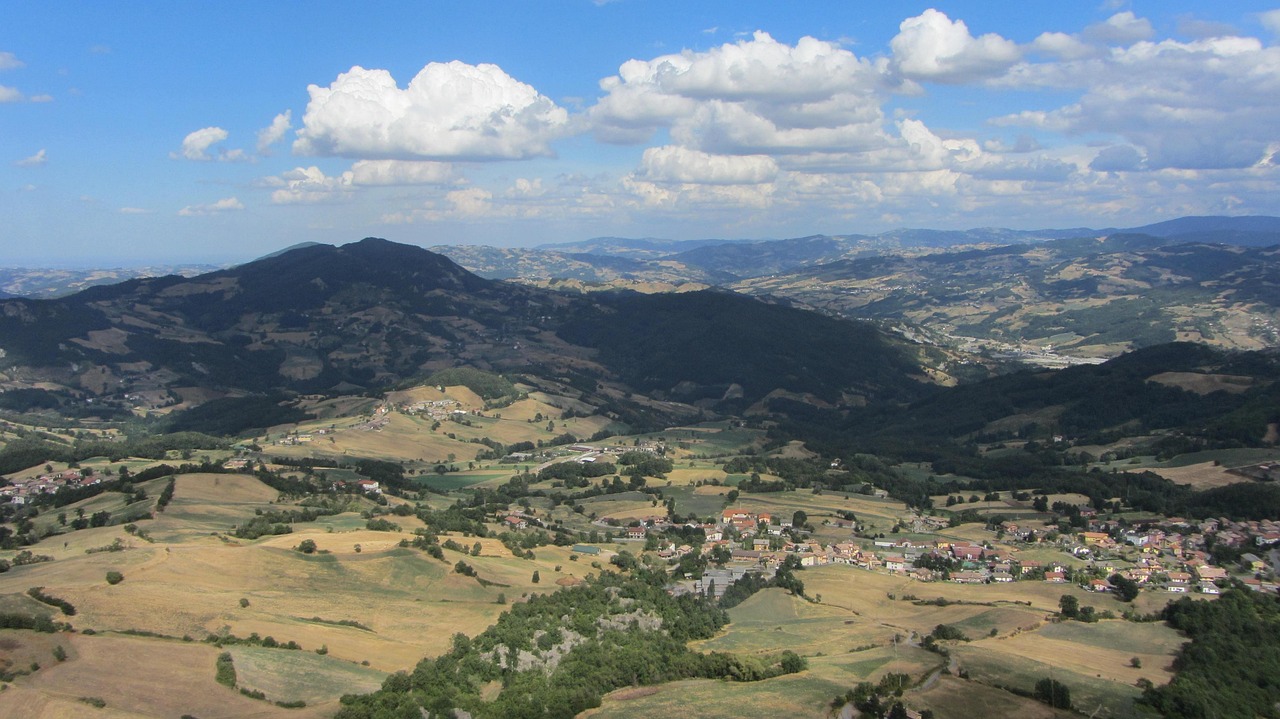
Colline coltivate con borghi sull'Appennino

Il vento del mare che stagiona il prosciutto

Il mare, a Parma, si sente anche nell’aria. Nelle valli a sud della città, la Val Parma prima di tutte, sale una brezza che parte dal mar Ligure, scavalca i crinali e arriva sulle colline più asciutta. È questo vento che, insieme al tempo, stagiona il Prosciutto di Parma.

Il resto lo fa il sale, di nuovo: il disciplinare del Prosciutto di Parma DOP ammette solo coscia di maiale e sale, nient’altro. In carta da noi trovi il Prosciutto Crudo riserva di Nonno Bruno di Ponte Romano, 30 mesi. Trenta mesi di vento e di pazienza: c’è poco da aggiungere.

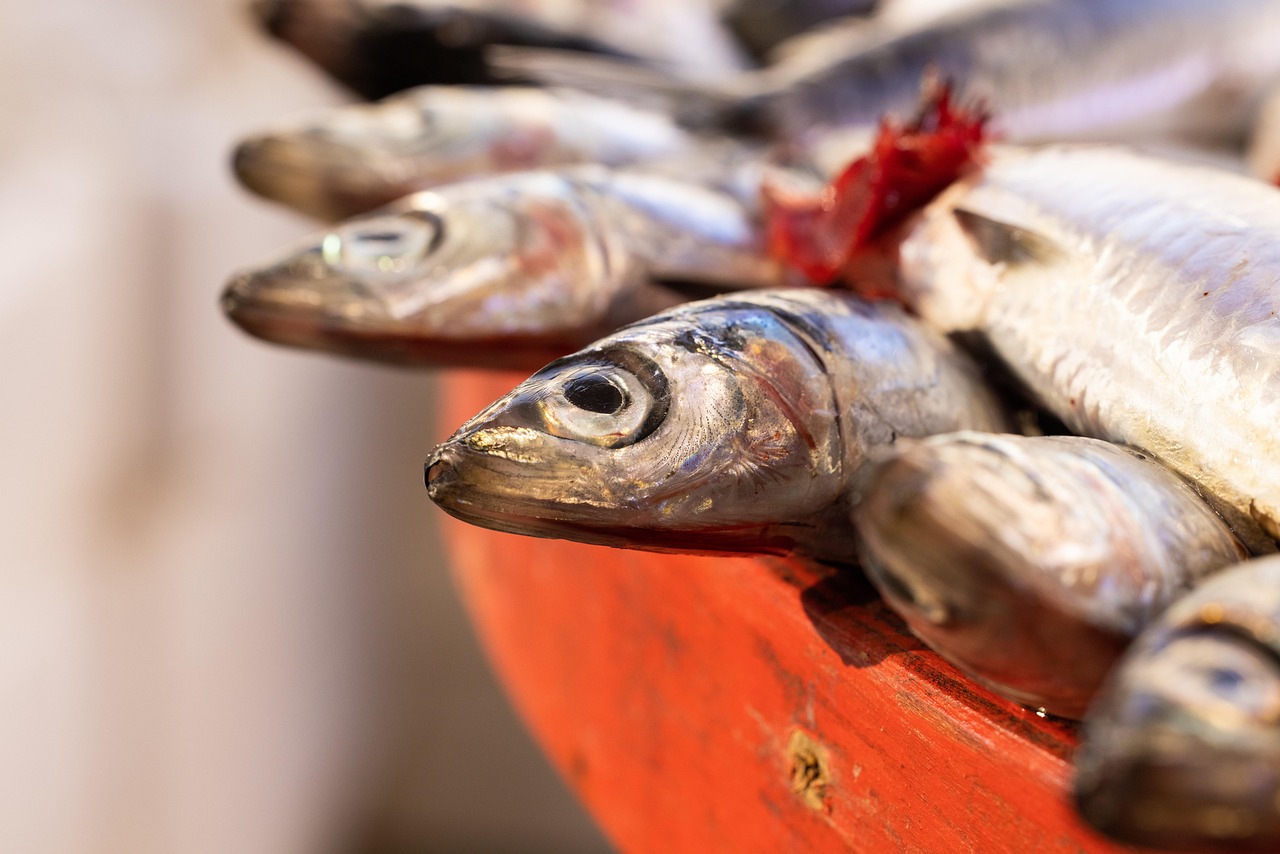
Acciughe fresche su una superficie rossa
Acciughe fresche

Ristorante di pesce a Parma? Da noi il pesce cambia ogni settimana

Diciamolo subito: siamo un bistrot parmigiano, e i salumi in vetrina lo dicono prima di noi. Ma il pesce ha il suo spazio, e lo trattiamo con le stesse regole della verdura: segue la stagione. Anche il mare ne ha una. In autunno nel Mediterraneo italiano è tempo di seppie, calamari e lampuga, con differenze da zona a zona e da un’annata all’altra.

Per questo ogni settimana abbiamo un primo e un secondo di pesce fuori menu, scelti in base a quello che troviamo. Restano in carta un paio di settimane, poi cambiano. In questo periodo sono:

  • Calamarata al nero di zucca…: calamarata con ragù di seppia mediterranea col suo nero, crema di zucca violina nostrana fermentata e un crumble di Pan di20 che fa da croccante.
  • Ricciola, Malvasia e Cardoncello: filetto di ricciola pescata nel Mediterraneo, cardoncello arrostito (un fungo che in autunno è nel pieno) e crema di Malvasia Ginestra di Monte delle Vigne.

La ricciola è un pesce grande, e i pesci grandi li lavoriamo nel nostro laboratorio con l’abbattitore, cioè una macchina che porta il pesce a temperature molto basse in poco tempo.

Un consiglio da oste, che vale ovunque: se stai cercando il miglior ristorante di Parma per mangiare pesce, chiedi cosa c’è fuori menu. Se la risposta cambia di settimana in settimana, vuol dire che in cucina si segue il mare.

Zucca
Zucca

Gamberi borgo20: un piatto, due stagioni

Poi ci sono i piatti che restano, ma cambiano vestito. I Gamberi borgo20 sono code di gamberone arrostite al forno. In primavera e in estate stanno su una crema di piselli; adesso che è autunno sono passati su una crema di zucca alla salvia, con ciuffi di burrata e croccante di speck. Il gambero è lo stesso, la stagione no.

Se ti è venuta voglia di zucca, qui abbiamo raccontato quali prodotti d’autunno cercare al mercato al posto delle zucchine.

E le acciughe? Restano sul Pan di20 La Rossa, quello da cui siamo partiti: un lievitato che ricorda la pizza al padellino, farcito dopo la cottura. Le nostre acciughe arrivano dall’Adriatico, non dalla Liguria. Oggi la via del sale passa anche dall’altra costa.

Se stai pensando a dove mangiare a Parma questa settimana, guarda il menu: il fuori menu di pesce lo trovi lì, sempre aggiornato. Puoi prenotare il tavolo online oppure chiamarci allo 0521 234565. Siamo aperti dal martedì al sabato, a pranzo e a cena.

Anchovies and the salt road: why there’s fish at a bistro in Parma

Anchovies and the salt road: why there's fish at a bistro in Parma — Borgo20

Bite into a Pan di20 La Rossa and the first thing you taste is the sea: Adriatic anchovy fillets, capers and oregano from Pantelleria, organic Corbara peeled tomatoes. All this in a city on the plain, with the Apennine mountains standing between it and the coast. At borgo20, a restaurant near Parma Cathedral, a place with cured meats on display in the window always has fish on the menu, and that can look a little odd. The answer is older than we are.

It’s called the salt road.

Anchovies and the salt road: how the sea reached Parma

For centuries salt was precious: it was how people kept food through the year, from meat to cheese. It came up from the Ligurian coast, on paths and mule tracks over the Apennines. And with the salt travelled the things that keep well in salt. Anchovies, for one.

A salted anchovy can survive weeks on the road and months in the pantry, so it became a household ingredient far from the sea. Parma has long been an important centre for processing anchovies, and you still find them in home cooking: in many Emilian families the salsa verde, the green parsley sauce served with boiled meats, has an anchovy pounded into it with garlic and capers.

Hilly fields and villages in the Apennines

The sea breeze that cures the ham

You can feel the sea in Parma’s air, too. In the valleys south of the city, the Val Parma above all, a breeze blows up from the Ligurian Sea, crosses the ridges and reaches the hills drier than it started. That wind, together with time, is what cures Prosciutto di Parma, the famous air-dried ham.

The rest is salt, again: under its PDO rules (the EU protected origin label), Prosciutto di Parma is made with nothing but pork leg and salt. On our menu you’ll find the Prosciutto Crudo riserva di Nonno Bruno from Ponte Romano, aged 30 months. Thirty months of wind and patience don’t need much help.

Fresh anchovies on a red surface
Fresh anchovies

Where to eat in Parma if you want fish

Let’s be clear from the start: we are a Parma bistro, a small, informal restaurant in the Parisian style, and the cured meats in the window give that away before we do. But fish has its place here, and we treat it the way we treat vegetables: it follows the season. The sea has seasons too. In autumn the Italian Mediterranean brings cuttlefish, squid and lampuga (mahi-mahi), depending on the area and the year.

That’s why every week we cook a fish first course and a fish main course as specials, off the regular menu, based on what we find. They stay for a couple of weeks, then they change. Right now they are:

  • Calamarata al nero di zucca…: calamarata (thick pasta rings named after sliced squid) with a ragù of Mediterranean cuttlefish in its own ink, a cream of fermented local violina squash and a crumble of Pan di20 for crunch.
  • Ricciola, Malvasia e Cardoncello: a fillet of Mediterranean amberjack with roasted cardoncello (king oyster mushroom, at its best in autumn) and a cream made with Malvasia Ginestra, a white wine from Monte delle Vigne.

Amberjack is a big fish, and we break down big fish in our own kitchen lab, using a blast chiller: a machine that takes the fish down to very low temperatures very quickly.

A tip from behind the counter, wherever you eat: if you’re looking for the best restaurants in Parma for seafood, ask what’s off the menu. If the answer changes from week to week, someone in the kitchen is following the sea.

Pumpkin
Pumpkin

Gamberi borgo20: one dish, two seasons

Then there are the dishes that stay but change clothes. Gamberi borgo20 are oven-roasted king prawn tails. In spring and summer they sit on a pea cream; now that it’s autumn they have moved onto a pumpkin and sage cream, with tufts of burrata and crispy speck (a lightly smoked cured ham from the Alps). Same prawn, different season.

If pumpkin season has caught your eye, here is our guide to the autumn produce to look for instead of courgettes.

And the anchovies? They stay on the Pan di20 La Rossa, where we started. Pan di20 is our own long-rising bake, a little like a Turin-style pan pizza, topped after it comes out of the oven. Our anchovies come from the Adriatic, not from Liguria: these days the salt road has a branch on the other coast too.

borgo20 is at Borgo XX Marzo 14/16, right next to the Duomo. See the menu: the fish specials are listed there and kept up to date. You can book a table online or call us on 0521 234565 (from abroad, +39 0521 234565). We are open Tuesday to Saturday, for lunch and dinner.

Anatra, rapa rossa e mirtilli: il piatto dei primi freddi di un bistrot in centro a Parma

Anatra, rapa rossa e mirtilli: il piatto dei primi freddi di un bistrot in centro a Parma — Borgo20

La rapa rossa ha un problema d’immagine: quasi tutti la conosciamo già cotta, sottovuoto, nel banco frigo del supermercato. Da borgo20, il nostro ristorante vicino al Duomo di Parma, in questi giorni arriva in tavola croccante, accanto all’anatra e ai mirtilli. Qui ti raccontiamo perché questo è il suo momento e come cucinare la rapa rossa a casa, partendo da quella cruda.

Spoiler: è più facile di quanto sembra. Serve solo un po’ di pazienza.

Rapa rossa: parente dell’erbetta, non della rapa

Il nome inganna. La rapa rossa, o barbabietola, è una Beta vulgaris: la stessa specie della bietola, cioè dell’erbetta che a Parma finisce nei tortelli. La rapa bianca invece è una brassica, cugina di cavoli e cime di rapa. Nel nostro piatto ci sono tutte e due, ed è un bel modo per sentire la differenza: più dolce la rossa, più pungente la bianca.

Si semina in primavera e si raccoglie dall’estate all’autunno inoltrato. Poi si conserva bene per tutto l’inverno, ed è per questo che la trovi sui banchi nei mesi freddi (i tempi cambiano un po’ secondo la zona e l’annata).

Quel sapore di terra che divide le persone ha un nome: geosmina, la stessa sostanza che senti nell’aria quando piove sulla terra asciutta. Il colore viene dalle betalaine, pigmenti che macchiano tutto quello che toccano. Sul piano nutrizionale la rapa rossa è ricca di folati.

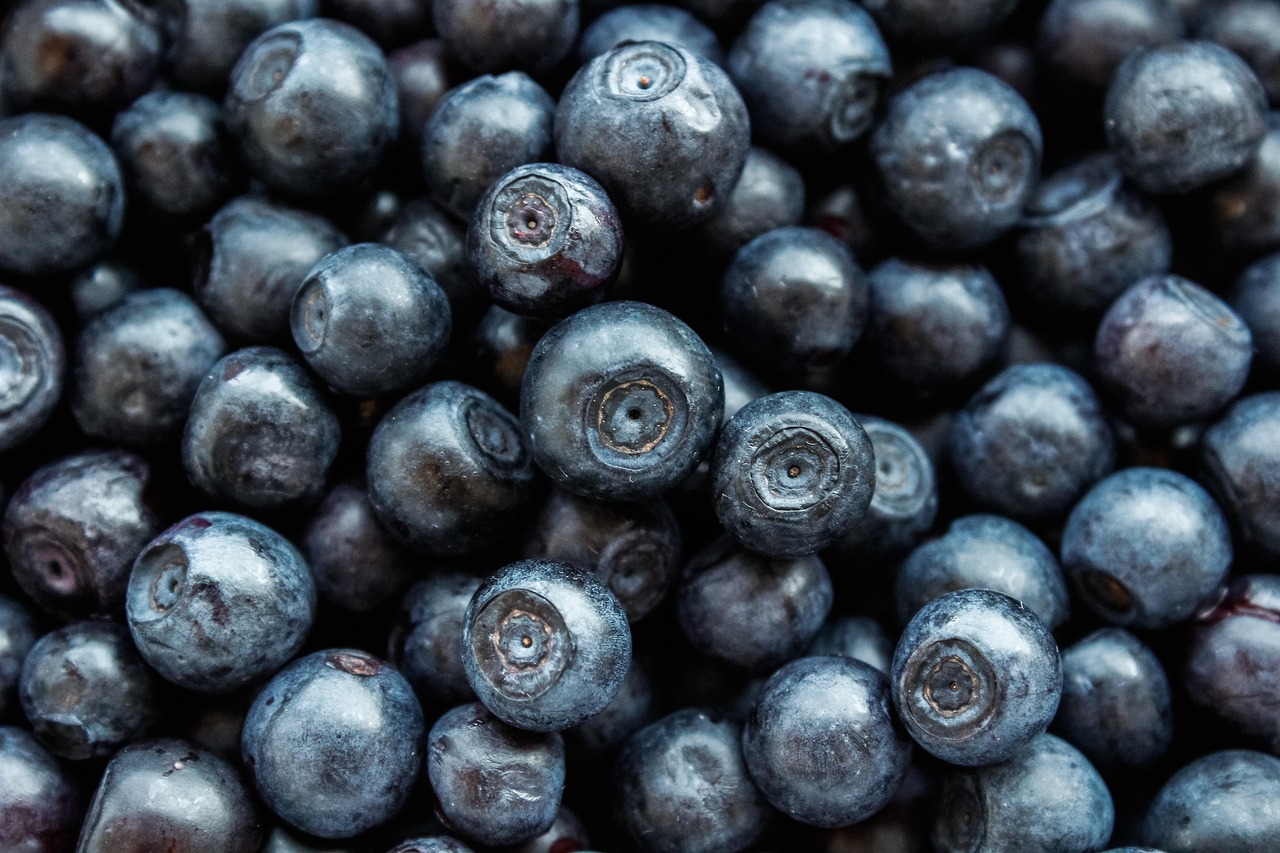
Mirtilli freschi visti da vicino

Dove mangiare a Parma: da noi adesso c’è anche l’anatra con mirtilli e rape

L’anatra d’allevamento oggi si trova tutto l’anno. Nella cucina di campagna però era carne d’autunno: gli anatroccoli nati in primavera arrivavano al peso giusto con i primi freddi, e quella selvatica si caccia tra l’autunno e l’inverno.

Per questo è appena entrata in menu l’Anatra, mirtilli, rape e Pan di20. Il petto d’anatra è trattato come un roast beef e cotto a bassa temperatura, cioè a lungo e a calore dolce e controllato, nel nostro laboratorio. Lo accompagna il suo fondo, il sugo ristretto che nasce dalla cottura della carne, con i mirtilli freschi.

Il ragionamento è semplice. L’anatra è una carne grassa e saporita, e il grasso chiede un frutto acidulo: è la logica della vecchia anatra all’arancia. Rapa rossa e rapa bianca restano croccanti e portano la nota di terra. E il Pan di20 croccante? Con un fondo così nel piatto, sai già cosa farne.

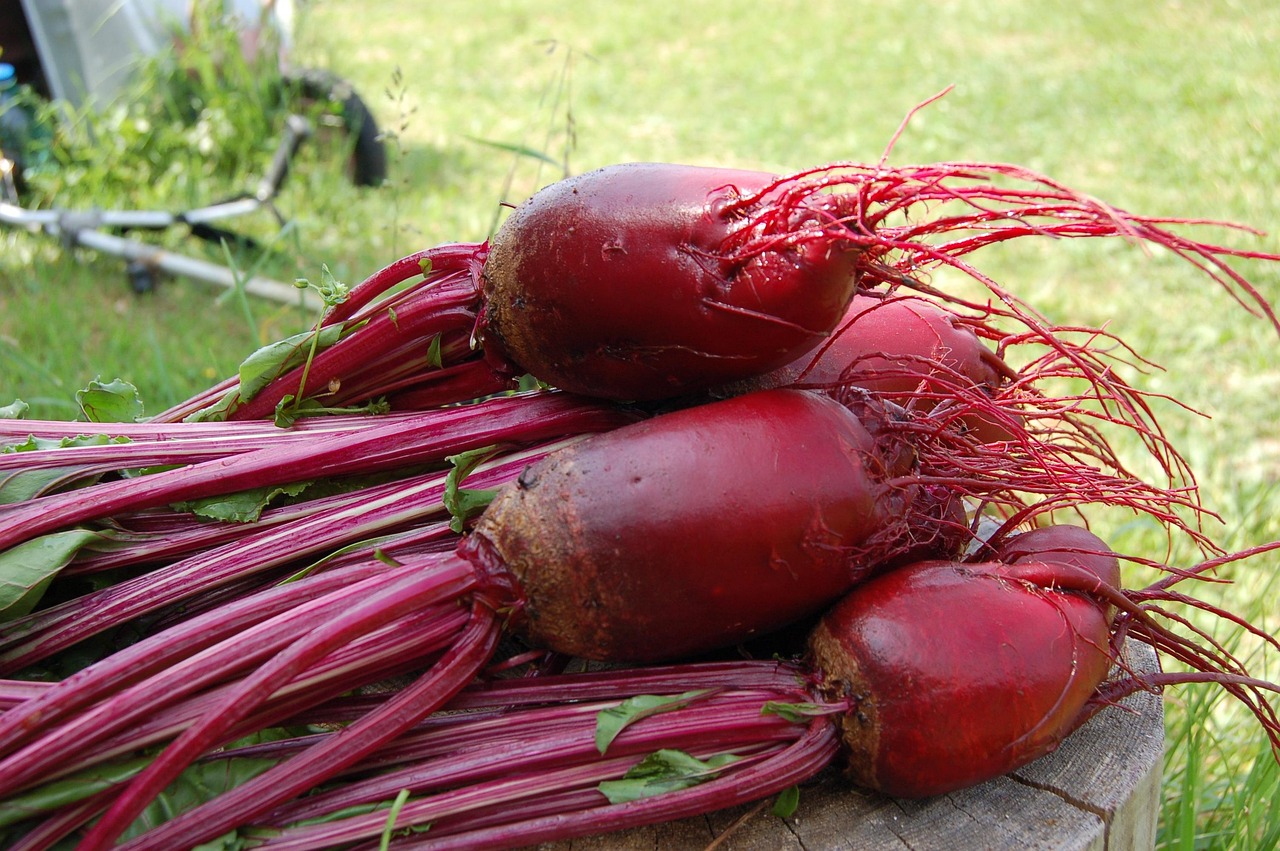
Rape rosse appena raccolte con gambi e foglie

Come cucinare la rapa rossa a casa

Comprala cruda, soda, con la buccia liscia. Se ha ancora le foglie, meglio: vuol dire che è stata raccolta da poco. Poi scegli una strada.

  • Al forno, nel cartoccio. Lavala, non sbucciarla, chiudila nella carta forno con un filo d’olio e un pizzico di sale. A 200 gradi ci vogliono da 45 minuti a più di un’ora, secondo la grandezza: è pronta quando un coltello entra senza fatica. La buccia poi viene via da sola. Così il sapore si concentra.
  • Lessa, con la buccia. Lascia attaccati la radice e un paio di centimetri di gambo, altrimenti il colore finisce nell’acqua. Da 40 minuti a un’ora.
  • Cruda. Sbucciata e tagliata sottilissima o grattugiata, con olio, sale e limone. Resta croccante e il sapore di terra si fa più leggero.
  • Le foglie. Non buttarle: se sono fresche si cuociono in padella come le erbette.

Due consigli da cucina. Metti i guanti, o rassegnati alle mani viola. E aggiungi sempre qualcosa di acido: aceto, limone, yogurt, un frutto. È lo stesso lavoro che i mirtilli fanno nel nostro piatto.

Il contorno ti dice in che mese siamo

Un trucco che vale ovunque, anche quando cerchi il miglior ristorante di Parma per una cena: leggi i contorni. Se capisci la stagione da lì, la cucina sta seguendo il mercato.

Da noi in questo periodo tra i contorni c’è Cavolo nero e patate, la Punta ripiena alla borgo20 arriva con il topinambur e i Gamberi borgo20, che in primavera e in estate stanno su una crema di piselli, sono passati alla crema di zucca alla salvia. Non cambiamo tutto il menu in un giorno: uno o due piatti alla volta, quando il prodotto arriva.

Se vuoi sapere cos’altro cercare al mercato in queste settimane, ne abbiamo parlato in Zucchine a ottobre? I prodotti d’autunno da cercare al mercato.

L’anatra e gli altri piatti di questo periodo li trovi nel menu aggiornato di borgo20. Siamo aperti dal martedì al sabato, 12:20–14:30 e 19:20–22:30. Se vuoi assaggiarla, puoi prenotare il tavolo online oppure chiamarci allo 0521 234565.

Duck, beetroot and blueberries: the cold-season dish at a bistro in central Parma

Duck, beetroot and blueberries: the cold-season dish at a bistro in central Parma — Borgo20

Beetroot has an image problem: most of us only know it pre-cooked and vacuum-packed, sitting in the supermarket fridge. At borgo20, our restaurant near Parma Cathedral, it is on the table right now in a very different form: crunchy, next to duck and blueberries. Here is why this is its moment, and how to cook beetroot at home starting from a raw one.

Spoiler: it is easier than it looks. It just takes a little patience.

Beetroot: a cousin of chard, not of the turnip

In Italian it is called rapa rossa, literally “red turnip”, and the name is misleading. Beetroot is Beta vulgaris, the same species as chard. In Parma, chard is known as erbetta and it is the filling of the city’s most famous pasta, tortelli d’erbetta: parcels of fresh egg pasta stuffed with chard and ricotta, served with butter and Parmigiano Reggiano. The white turnip, on the other hand, is a brassica, related to cabbage. Our dish has both, which makes it a good way to taste the difference: the red one is sweeter, the white one sharper.

Beetroot is sown in spring and harvested from summer to late autumn. It then keeps well all winter, which is why you find it on Italian market stalls in the cold months (timing shifts a little with the area and the year).

The earthy flavour that divides people has a name: geosmin, the same compound you smell when rain falls on dry soil. The colour comes from betalains, pigments that stain everything they touch. Nutritionally, beetroot is rich in folate.

Close-up of fresh blueberries

Where to eat in Parma: right now we are also serving duck with blueberries and beetroot

Farmed duck is available all year round. In Italian country cooking, though, it was autumn meat: ducklings hatched in spring reached the right weight with the first cold days, and wild duck is hunted between autumn and winter.

That is why a new dish has just joined our menu: Anatra, mirtilli, rape e Pan di20, which means duck, blueberries, turnips and Pan di20. The duck breast is treated like roast beef and cooked at low temperature, meaning slowly, at gentle and controlled heat, in our own kitchen workshop. It comes with its own jus, the reduced sauce that comes from cooking the meat, made with fresh blueberries.

The thinking is simple. Duck is rich, fatty meat, and fat calls for a tart fruit: the same logic as the classic duck with orange. Red beetroot and white turnip stay crunchy and bring the earthy note. Then there is crisp Pan di20. This is our signature bake, a long-leavened dough made with local flours; if you need a comparison it is something like a Turin-style pan pizza, though we never call it pizza. With a sauce like that on the plate, you will know what to do with it.

Freshly harvested beetroots with their stems and leaves

How to cook beetroot at home

Buy it raw and firm, with smooth skin. If the leaves are still attached, even better: it was picked recently. Then choose your route.

  • Roasted in a parcel. Wash it, leave the skin on, and wrap it in baking paper with a drizzle of olive oil and a pinch of salt. At 200°C (about 400°F) it takes from 45 minutes to over an hour, depending on size: it is ready when a knife slides in easily. The skin then slips off by itself. This is the method that concentrates the flavour.
  • Boiled, skin on. Leave the root and a couple of centimetres of stalk attached, otherwise the colour ends up in the water. Allow 40 minutes to an hour.
  • Raw. Peeled, then sliced paper-thin or grated, with olive oil, salt and lemon. It stays crunchy and the earthy taste is milder.
  • The leaves. Do not throw them away: if they are fresh, sauté them as you would chard.

Two tips from the kitchen. Wear gloves, or accept purple hands. And always add something sharp: vinegar, lemon, yoghurt, a piece of fruit. It is the same job the blueberries do in our dish.

The side dishes tell you what month it is

Here is a trick that works anywhere, including when you are scrolling through lists of the best restaurants in Parma: read the side dishes. If you can guess the season from them, the kitchen is following the market.

At the moment one of our side dishes is Cavolo nero e patate, Tuscan kale and potatoes. The Punta ripiena alla borgo20, a stuffed veal dish from Parma’s tradition, comes with Jerusalem artichoke. And the Gamberi borgo20, roasted prawns that sit on a pea cream in spring and summer, have moved on to pumpkin and sage cream. We do not change the whole menu overnight: one or two dishes at a time, when the produce arrives. (A bistro, by the way, is a small, informal restaurant in the Parisian style: ours has small tables set close together and a long coffee counter.)

If you want to know what else to look for at the market in these weeks, we wrote about it in Courgettes in October? The autumn produce to look for instead.

You will find the duck and the other dishes of the moment on the current borgo20 menu. We are open Tuesday to Saturday, 12:20–14:30 and 19:20–22:30. If you would like to try it, you can book a table online or call us on +39 0521 234565.

Prenota
Prenota