
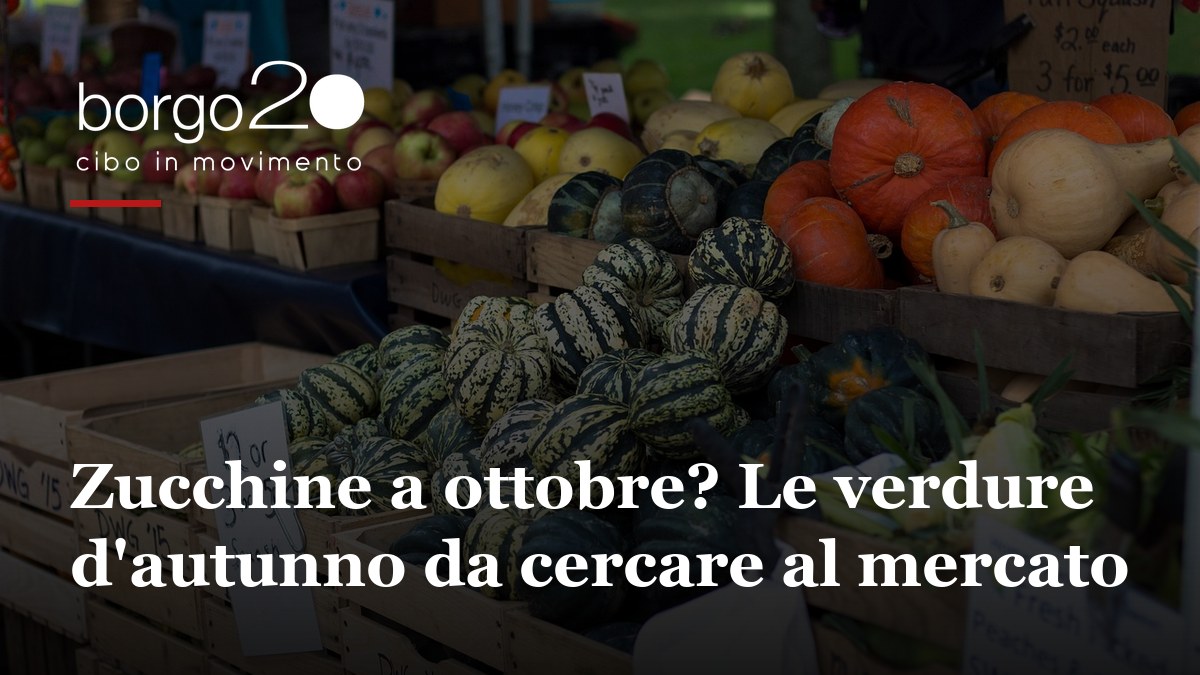
Zucchine a ottobre? I prodotti d’autunno da cercare al mercato

Zucchine a ottobre? Le verdure d'autunno da cercare al mercato — Borgo20

Ottobre, mercato del sabato. Sul banco ci sono zucche di ogni forma, mazzi di cavolo nero con le foglie ancora bagnate, tuberi bitorzoluti che sembrano zenzero e invece sono topinambur. Poi entri al supermercato e trovi le zucchine. Lucide, tutte uguali, le stesse di luglio.

Non c’è niente di male in una zucchina. A luglio.

A ottobre, però, quella zucchina ha fatto un lungo viaggio oppure è cresciuta in una serra riscaldata. E si sente.

Le verdure grigliate tutto l’anno

Diciamolo: zucchine, melanzane e peperoni grigliati sono diventati il contorno di serie della ristorazione italiana. Gennaio o agosto, non fa differenza. È comodo per chi cucina: stessa spesa, stesso piatto, nessuna sorpresa.

Peccato che siano ortaggi estivi. Amano il caldo e le giornate lunghe. Per averli in autunno e in inverno servono serre riscaldate oppure camion che arrivano da molto più a sud. Carlo, che a borgo20 sceglie di persona cosa entra in cucina, su questo ha un’idea fissa: rimettere nel piatto quello che la stagione offre davvero.
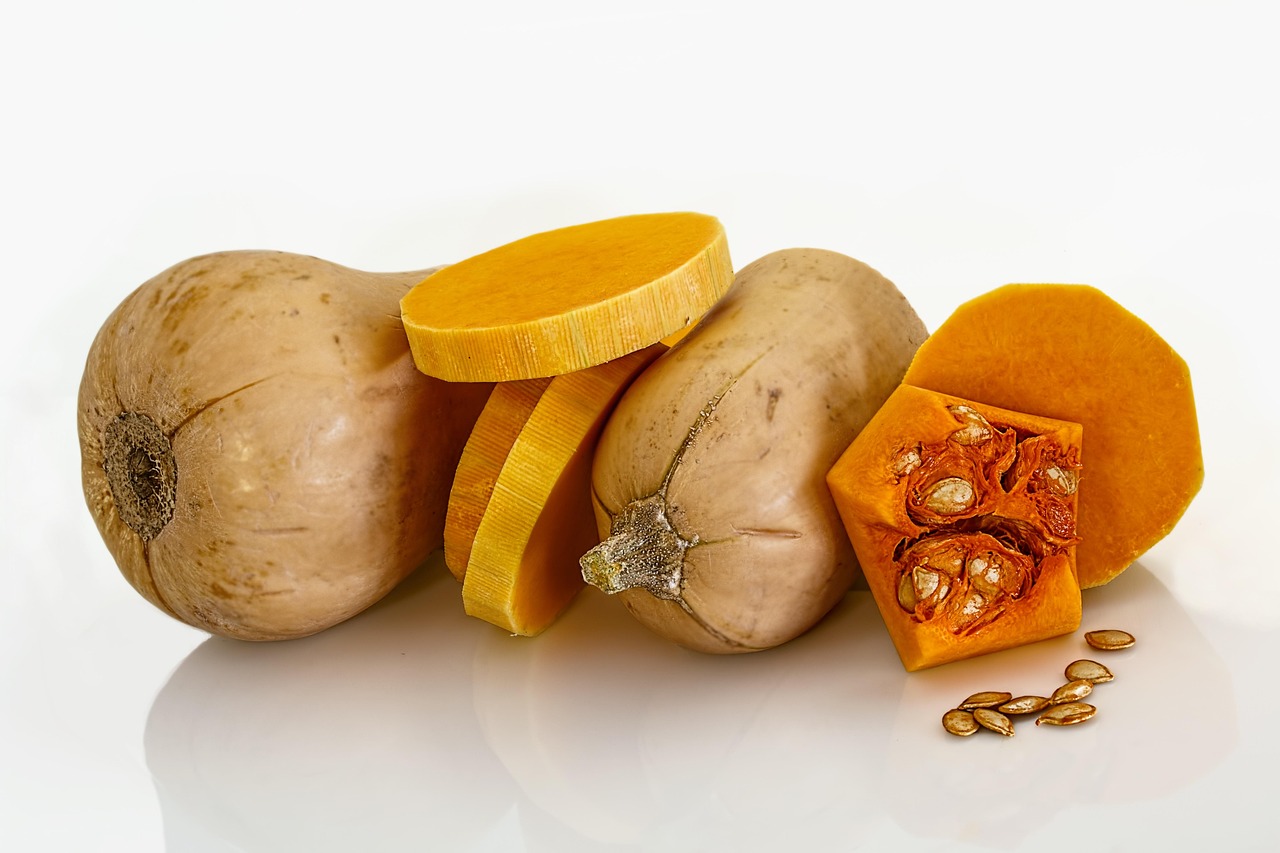
Zucche violine intere e a fette, con semi

Perché conviene seguire la stagione

Costa meno. Quando un ortaggio è in piena stagione ce n’è tanto, cresce all’aperto e non deve attraversare mezza Europa. Il mercato lo spiega meglio di qualsiasi teoria: confronta il prezzo di una zucca a ottobre con quello di una cassetta di zucchine a gennaio.

Sa di più. Una verdura raccolta al momento giusto ha avuto il tempo di maturare sulla pianta, con il suo sole e il suo freddo. Il cavolo nero, per esempio, dà il meglio dopo le prime brinate: il freddo spinge la pianta a trasformare parte degli amidi in zuccheri, e le foglie diventano più dolci.

È più ricca. La verdura raccolta matura e mangiata presto conserva più vitamine di quella che matura in viaggio o resta giorni in un magazzino. Nessun miracolo: semplicemente perde meno per strada.

Fa bene a tutti. Fin qui il vantaggio è di chi compra: un prodotto migliore che costa meno. Ma c’è anche un vantaggio per tutti. Un ortaggio di stagione cresce all’aperto, con il sole che c’è: non servono serre da riscaldare per mesi, né camion o aerei che lo portano da migliaia di chilometri. Meno energia consumata, meno inquinamento. Chi sceglie di stagione fa un favore a sé stesso e, senza accorgersene, anche agli altri.
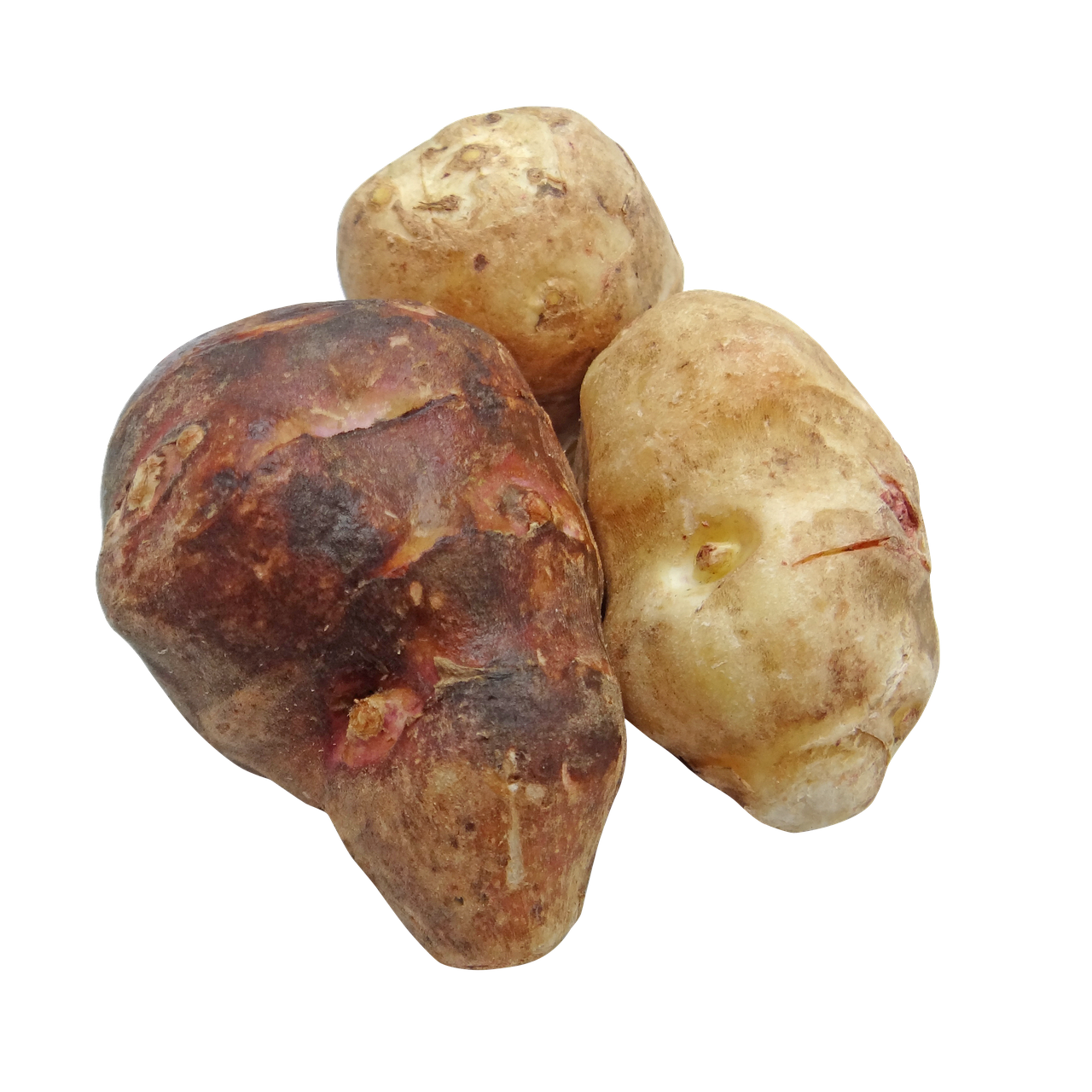
Tuberi di topinambur
Topinambur

Il calendario d’autunno: cosa cercare al mercato

Ecco cosa trovi nei mercati del Nord Italia tra ottobre e novembre. Non serve impararlo a memoria: basta ricordarsi che in questi mesi l’orto diventa arancione, verde scuro e color terra.

  • Zucca: la violina, allungata e dalla polpa dolce, e la delica, tonda e farinosa. In un posto fresco si conserva per settimane.
  • Cavolo nero e tutta la famiglia dei cavoli: verza, cavolfiore, broccoli e, da novembre, i cavolini di Bruxelles.
  • Topinambur: un tubero parente del girasole, con un sapore che ricorda il carciofo. Si mangia crudo a lamelle o cotto in crema.
  • Rape: la rapa bianca e la rapa rossa, croccanti e dolciastre.
  • Porri, finocchi, sedano rapa e spinaci, che ci accompagnano fino alla primavera.
  • Funghi porcini, a inizio autunno, finché il bosco ne regala.
  • Radicchio, che arriva con i primi freddi, verso novembre.
  • Mele e pere nelle loro varietà autunnali, e i cachi, che restano arancioni sui rami quando le foglie sono già cadute.
  • Castagne e melograni, i frutti tipici di ottobre e novembre.
  • Fichi e uva, gli ultimi a inizio autunno; da novembre arrivano i kiwi.

Un trucco semplice: se una verdura c’è in abbondanza e su tanti banchi diversi, probabilmente è il suo momento.

Anche il mare ha le sue stagioni

La stagione non riguarda solo l’orto. Anche il pesce ha i suoi momenti, e adesso nei nostri mari è tempo di seppie e calamari. I periodi esatti cambiano un po’ da zona a zona e da un anno all’altro, ma la regola è la stessa del mercato: quando un pesce è nel suo momento ce n’è di più, arriva fresco e non deve fare mezzo mondo per arrivare in tavola.
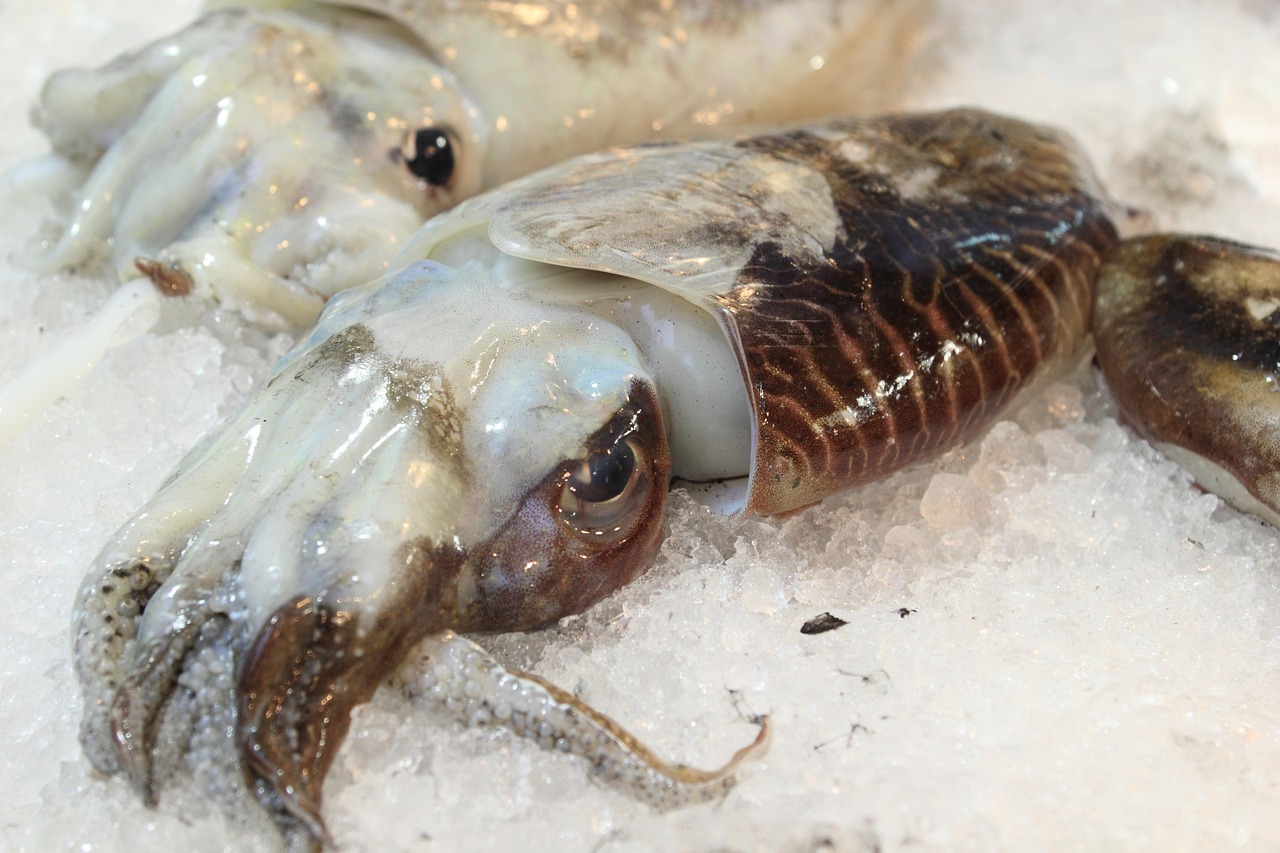
Seppie fresche adagiate sul ghiaccio tritato

Cosa trovi adesso nei nostri piatti

Da borgo20, accanto al Duomo di Parma, il menu non cambia tutto in una volta. Quando un prodotto arriva sul mercato cambiamo uno o due piatti, poi un altro, poi un altro ancora. In questo periodo l’autunno è entrato così, dall’orto e dal mare.

La zucca violina nostrana, fermentata e passata in crema, sta nella Calamarata al nero di zucca…, con un ragù di seppia mediterranea pescata, cotta nel suo nero, e un crumble di Pan di20, il nostro impasto a lunga lievitazione. La zucca c’è anche sotto i Gamberi borgo20, arrostiti al forno: in primavera e in estate stanno su una crema di piselli, adesso su una crema di zucca alla salvia. Stesso piatto, stagione diversa.

Dal mare arriva anche Ricciola, Malvasia e Cardoncello. È una ricciola gigante pescata nel Mediterraneo: un pesce da 26 chili, preso in questi giorni, in piena stagione. Ne serviamo il filetto con il cardoncello arrostito, un fungo tipico dell’autunno, e una crema di Malvasia Ginestra di Monte delle Vigne.

Il topinambur lo trovi nella Punta ripiena alla borgo20, la punta di vitello della tradizione parmigiana cotta a bassa temperatura, cioè a lungo e a calore dolce, con crema di topinambur e topinambur arrostito. Le rape, rossa e bianca, restano croccanti accanto al petto d’anatra di Anatra, mirtilli, rape e Pan di20. E il cavolo nero fa il contorno più semplice della carta: Cavolo nero e patate, spadellati con olio, aglio arrostito e peperoncino.

Per vedere cosa c’è oggi, guarda il menu aggiornato: cambia spesso, ed è proprio questo il punto.

Portare l’autunno a casa

Per mangiare di stagione non serve un ristorante. Una zucca violina a cubetti, in forno con olio, sale e rosmarino, è pronta in mezz’ora. Il cavolo nero in padella con aglio e un pizzico di peperoncino ci mette ancora meno. Il topinambur, ben lavato e tagliato sottile, si mangia crudo in insalata con un filo d’olio e qualche goccia di limone.

La prossima volta che vedi zucchine lucide a novembre, guarda il banco accanto. Probabilmente c’è una zucca che ti aspetta.

Se vuoi assaggiare come la usiamo noi, puoi prenotare il tavolo online oppure chiamarci allo 0521 234565. Siamo aperti da martedì a sabato, a pranzo e a cena.
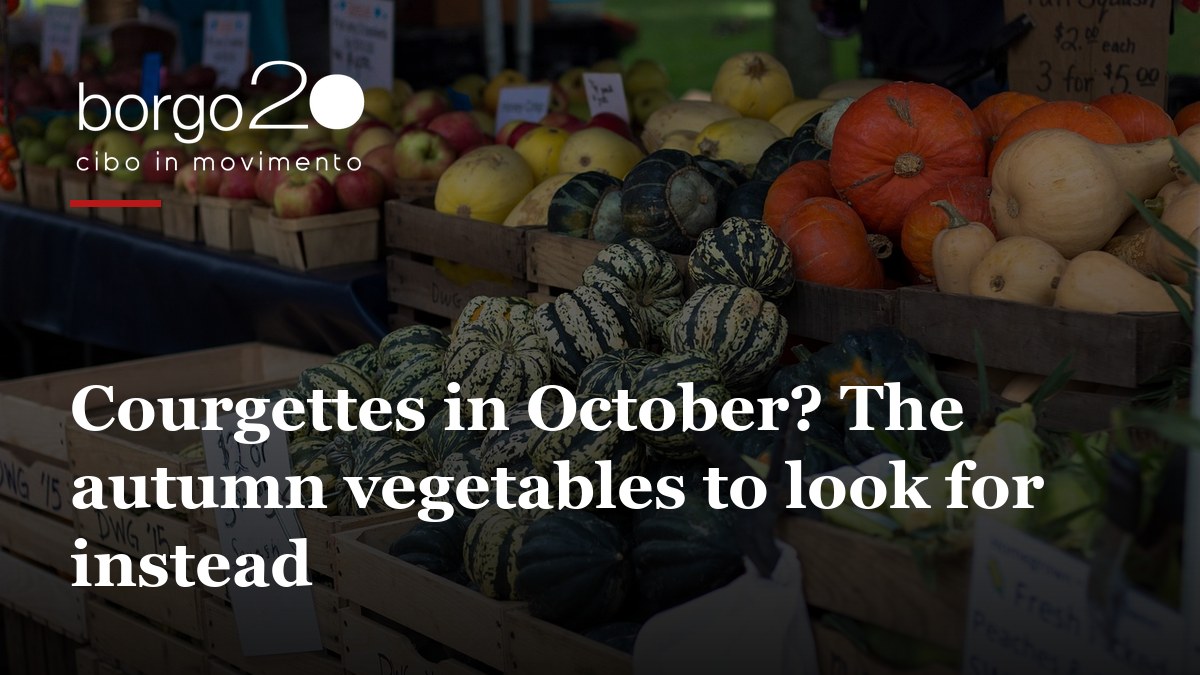
Courgettes in October? The autumn produce to look for instead

Courgettes in October? The autumn vegetables to look for instead — Borgo20

October, Saturday market. The stalls are piled with squash of every shape, bunches of black kale still wet from the morning, and knobbly tubers that look like ginger but turn out to be Jerusalem artichokes. Then you walk into a supermarket and there they are: courgettes. Shiny, identical, exactly like the ones you bought in July.

Nothing wrong with a courgette. In July.

In October, though, that courgette has either travelled a long way or grown in a heated greenhouse. And you can taste it.

Grilled vegetables, all year round

Let’s be honest: grilled courgettes, aubergines and peppers have become the standard side dish in Italian restaurants. January or August, it makes no difference. It’s convenient for the kitchen: same shopping list, same plate, no surprises.

The catch is that they are summer vegetables. They love heat and long days. To have them in autumn and winter you need heated greenhouses or lorries coming up from much further south. Carlo, the owner and chef of borgo20, personally decides what comes into the kitchen, and on this point Carlo won’t budge: put back on the plate what the season really has to offer.

Whole and sliced butternut squash with seeds

Why following the seasons pays off

It costs less. When a vegetable is in full season there is plenty of it, it grows outdoors and it doesn’t have to cross half of Europe. The market makes the point better than any theory: compare the price of a squash in October with a box of courgettes in January.

It tastes better. A vegetable picked at the right moment has had time to ripen on the plant, with its own sun and its own cold. Cavolo nero (the dark, crinkly kale often called Tuscan kale) is at its best after the first frosts: the cold pushes the plant to turn some of its starch into sugar, and the leaves get sweeter.

It keeps more of the good stuff. Vegetables picked ripe and eaten soon keep more vitamins than those that ripen in transit or sit in a warehouse for days. No miracles: they simply lose less along the way.

It’s good for everyone. So far the benefits are all yours: better produce that costs less. But there’s one more, and it’s for everybody. A vegetable in season grows outdoors, under whatever sun there is: no greenhouses to heat for months, no lorries or planes bringing it from thousands of kilometres away. Less energy used, less pollution. Choosing seasonal produce does you a favour, and quietly does everyone else one too.

Jerusalem artichoke tubers
Jerusalem artichokes (topinambur)

An autumn calendar: what to look for at the market

This is what you’ll find at markets in northern Italy between October and November. No need to learn it by heart: just remember that in these months the vegetable patch turns orange, dark green and earth-brown.

  • Squash: the violina, long and sweet like a butternut, and the delica, round and floury. Kept somewhere cool, it lasts for weeks.
  • Cavolo nero and the whole cabbage family: Savoy cabbage, cauliflower, broccoli and, from November, Brussels sprouts.
  • Jerusalem artichokes (topinambur in Italian): a tuber related to the sunflower, with a flavour that recalls artichoke. Eat them raw in thin slices or cooked into a purée.
  • Turnips and beetroot: crunchy and slightly sweet.
  • Leeks, fennel, celeriac and spinach, which carry on right through to spring.
  • Porcini mushrooms, in early autumn, for as long as the woods provide them.
  • Radicchio, the bitter red chicory that arrives with the first cold, around November.
  • Apples and pears in their autumn varieties, and persimmons (cachi in Italian), bright orange fruit that stays on the branches after the leaves have fallen.
  • Chestnuts and pomegranates, the classic fruits of October and November.
  • Figs and grapes, the last of them in early autumn; from November, kiwis arrive.

A simple rule of thumb: if a vegetable is plentiful and on lots of different stalls, it’s probably its moment.

The sea has its seasons too

Seasons aren’t just about the vegetable patch. Fish have their moments too, and right now our Mediterranean waters are in cuttlefish and squid season. Exact timings vary a little from place to place and from year to year, but the rule is the same as at the market: when a fish is in season there’s more of it, it arrives fresh and it doesn’t have to travel halfway round the world to reach your plate.

Fresh cuttlefish resting on crushed ice

What’s on our plates right now

borgo20 is a contemporary bistro next to Parma Cathedral: small tables close together, a long counter for coffee, cured meats in the window. Our menu doesn’t change all at once. When a new product hits the market we change one or two dishes, then another, then another. At the moment, this is how autumn has made its way in, from the fields and from the sea.

Local violina squash, fermented and turned into a smooth cream, goes into the Calamarata al nero di zucca…: calamarata is a thick, ring-shaped pasta, served here with a ragù of wild-caught Mediterranean cuttlefish cooked in its own ink and a crumble of Pan di20 (our long-proofed signature dough). Squash also sits under the Gamberi borgo20, our oven-roasted prawns: in spring and summer they come on a pea cream, right now on a squash and sage cream. Same dish, different season.

The sea also brings us Ricciola, Malvasia e Cardoncello. Ricciola is greater amberjack, a big Mediterranean fish: this one weighed 26 kilos and was caught just days ago, right in season. We serve the fillet with roasted cardoncello, a meaty autumn mushroom (also known as king oyster), and a cream made with Malvasia Ginestra, a white wine from Monte delle Vigne.

You’ll find Jerusalem artichoke in the Punta ripiena alla borgo20, our take on stuffed veal breast, a Parma classic, slow-cooked at low temperature and served with a Jerusalem artichoke cream and roasted Jerusalem artichokes. Beetroot and white turnip stay crunchy next to the duck breast in Anatra, mirtilli, rape e Pan di20 (duck, blueberries, turnips and Pan di20). And cavolo nero makes the simplest side dish on the menu: Cavolo nero e patate, kale and potatoes tossed in the pan with oil, roasted garlic and chilli.

To see what’s cooking today, take a look at our current menu: it changes often, and that’s exactly the point.

Taking autumn home

You don’t need a restaurant to eat with the seasons. Diced violina or butternut squash, roasted with oil, salt and rosemary, is ready in half an hour. Cavolo nero in a pan with garlic and a pinch of chilli takes even less. Jerusalem artichokes, well scrubbed and thinly sliced, can be eaten raw in a salad with a drizzle of olive oil and a few drops of lemon.

Next time you see shiny courgettes in November, have a look at the next stall. There’s probably a squash waiting for you.

If you’d like to taste how we use it, you can book a table online or call us on 0521 234565 (+39 0521 234565 from abroad). We’re open Tuesday to Saturday, for lunch and dinner.

Prenota
Prenota