
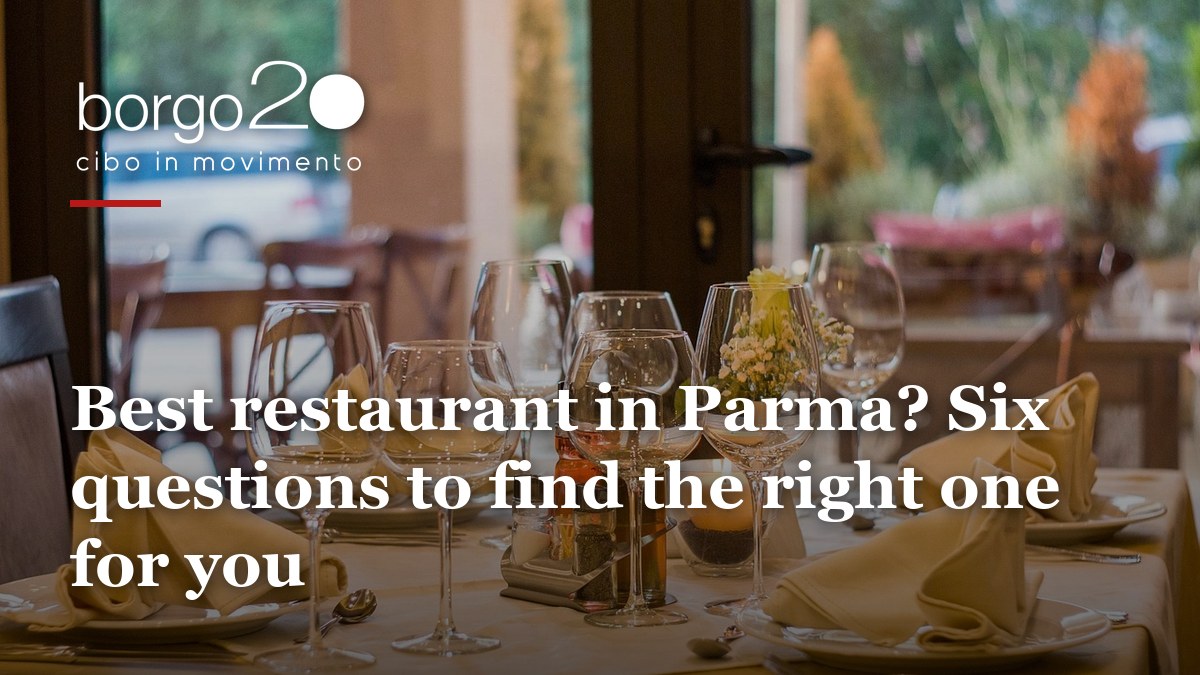
You’re in the old town, phone in hand, typing what plenty of visitors type: “best restaurant in Parma”. We’re writing this from Borgo20, a bistro in Parma, right in the historic centre, and here’s our honest answer: Google can’t tell you. The right restaurant is the one you’ll enjoy most tonight, with the people sitting next to you.
Sounds like a dodge, we know. So here’s how to work it out yourself: six practical questions, the ones we’d ask, since we spend our working lives on the other side of the counter. For each one we’ll also tell you how we answered it, so you have a real example to compare.
Where to eat in Parma: traditional or contemporary?
First question: what are you in the mood for? Parma has a strong traditional cuisine: tortelli d’erbetta (pasta parcels filled with ricotta and chard), anolini in brodo (small filled pasta served in broth), cured meats and Parmigiano Reggiano. Some places keep that cooking exactly as it has always been; others reinterpret it with modern techniques. Both are perfectly valid. What matters is knowing which one you want.
We sit in the middle, on purpose. Our Risotto mantecato alla Parmigiana is always on the menu: “mantecato” means the rice is stirred with butter and cheese at the end until it turns creamy. The Punta ripiena alla Borgo20 is Parma’s traditional stuffed veal breast, but slow-cooked at low temperature, so the meat stays tender. And if someone at the table only wants the classics, there’s the Menu della tradizione: three traditional courses for the whole table, with cured meats, Parmesan risotto and Sbrisolona, a crumbly almond cake.
A short menu that changes, or a long one that never does?
Look at how long the menu is and, if you can, compare it with the version from a few months ago: many places post theirs online. A short menu that follows the seasons usually means the kitchen buys what the market offers right now, and uses it up. A long menu that is identical in January and in August tells you about a different way of working. Courgettes on the grill in December, for example.
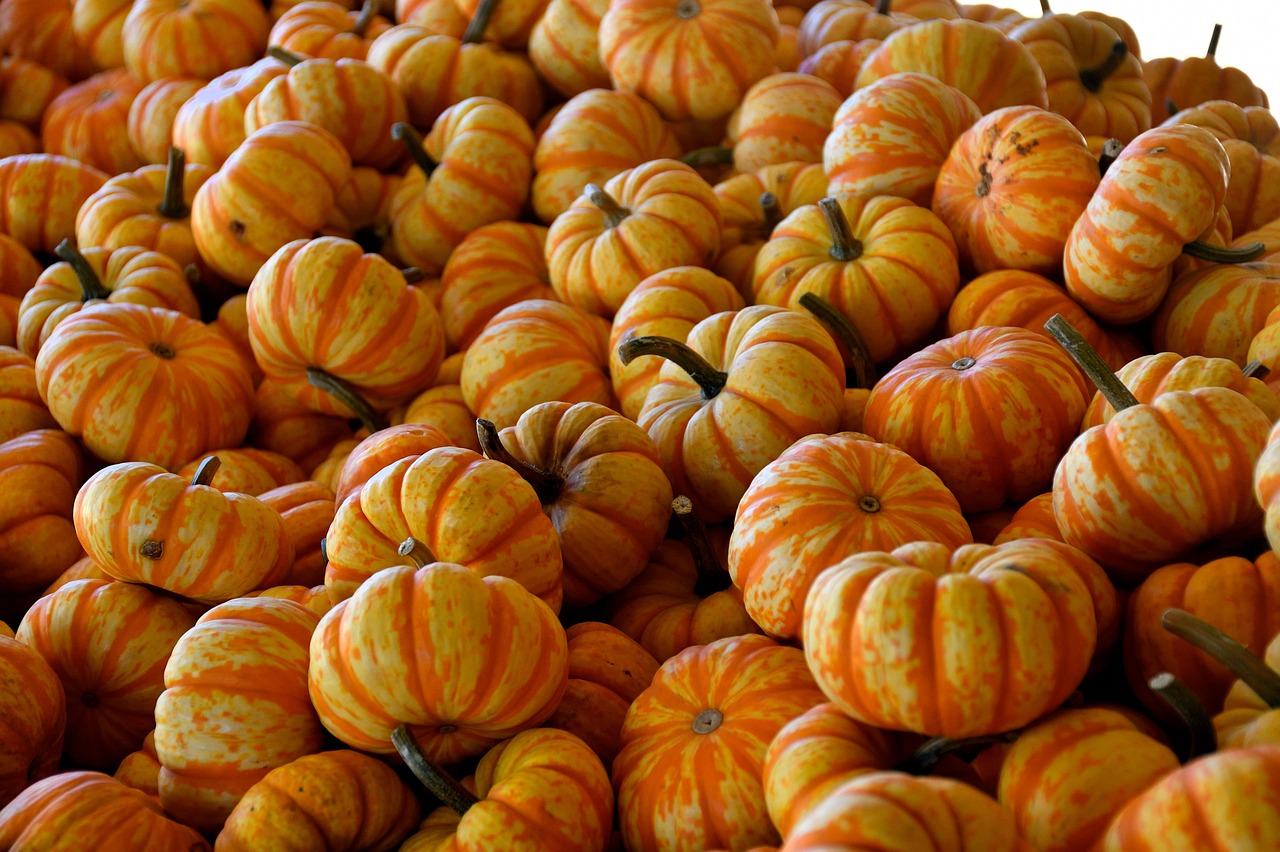
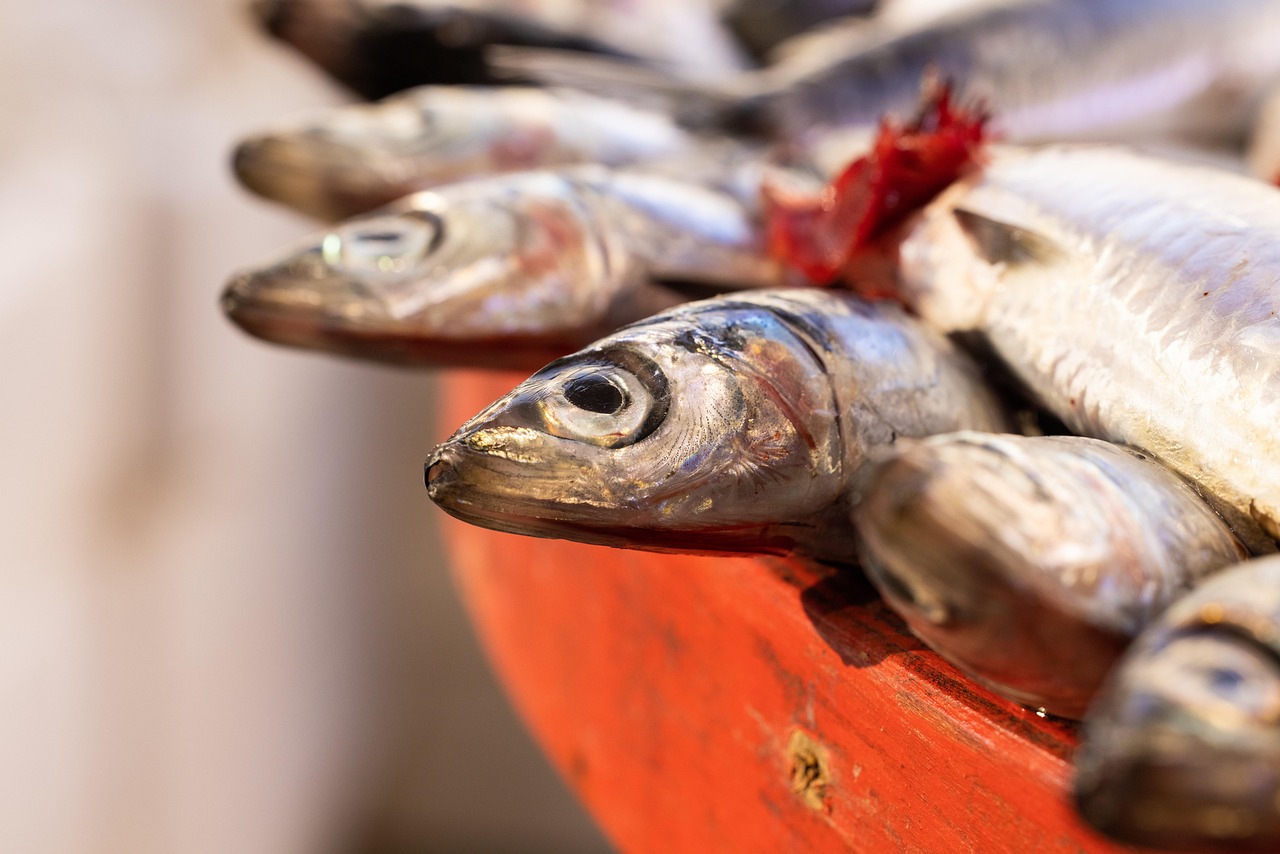
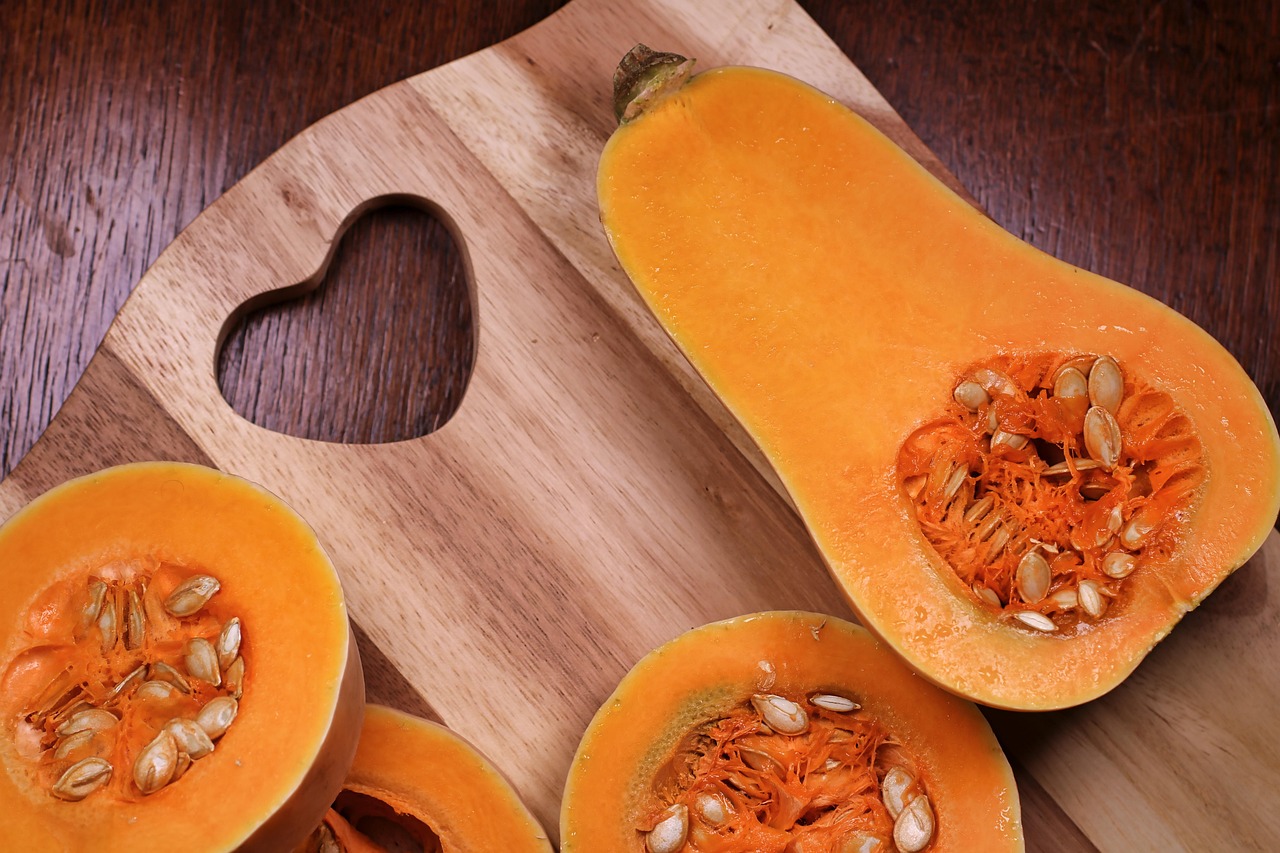
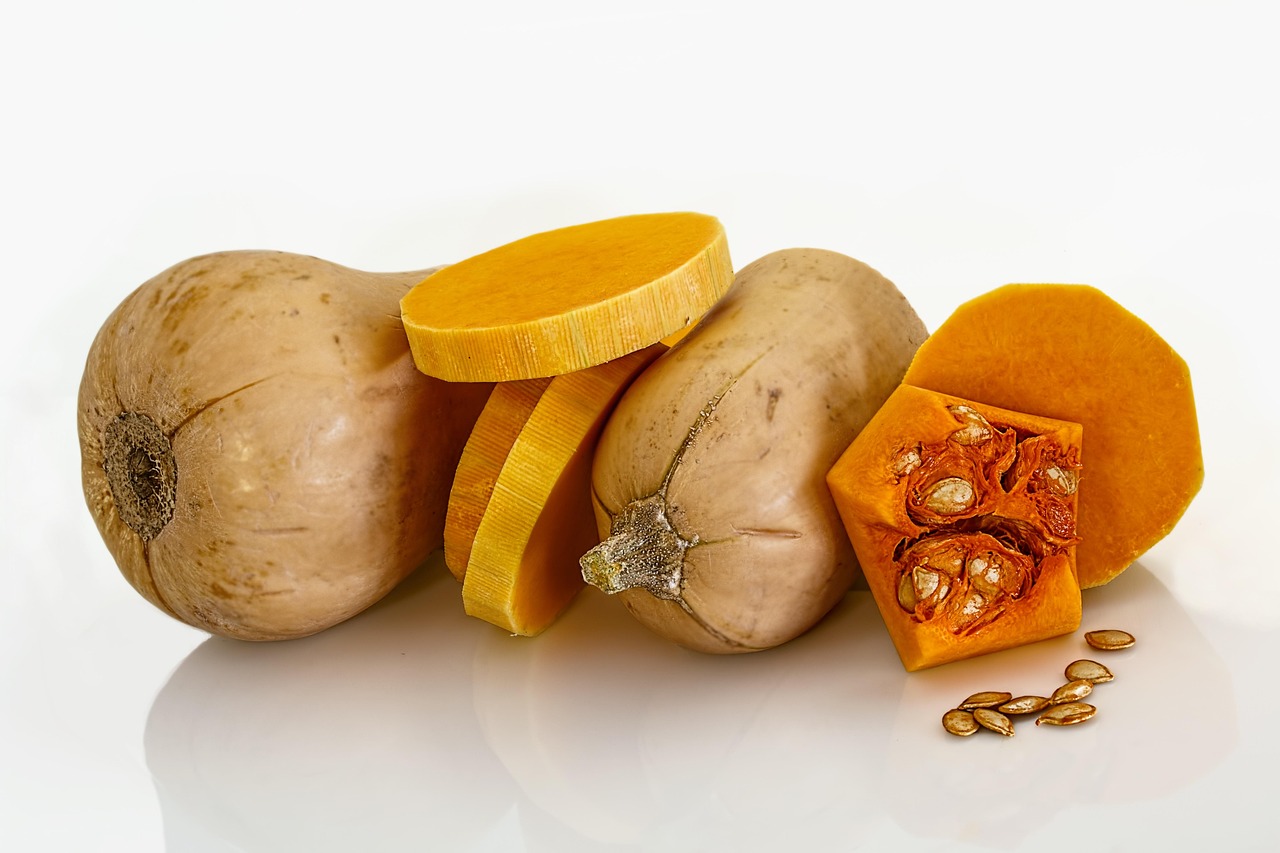
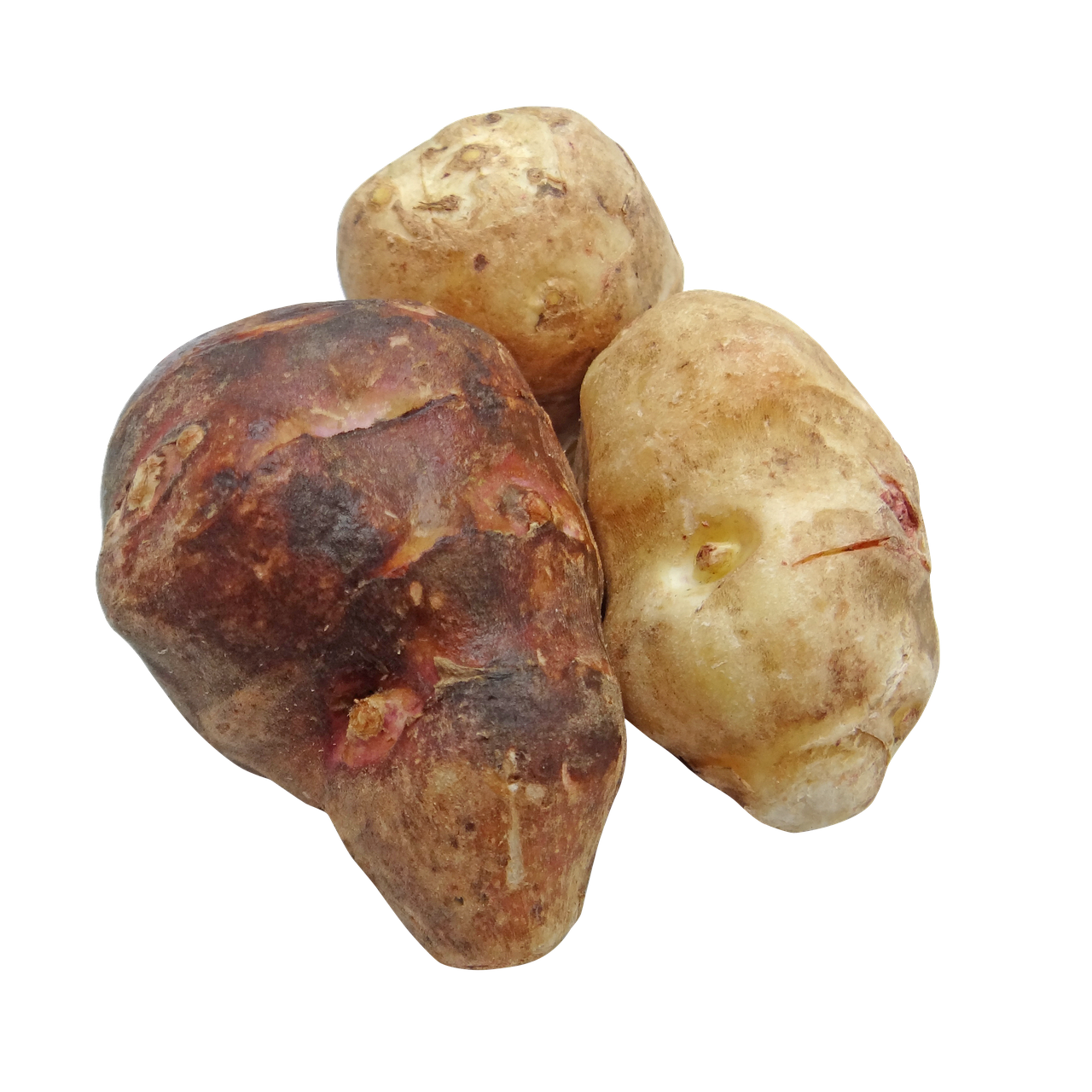
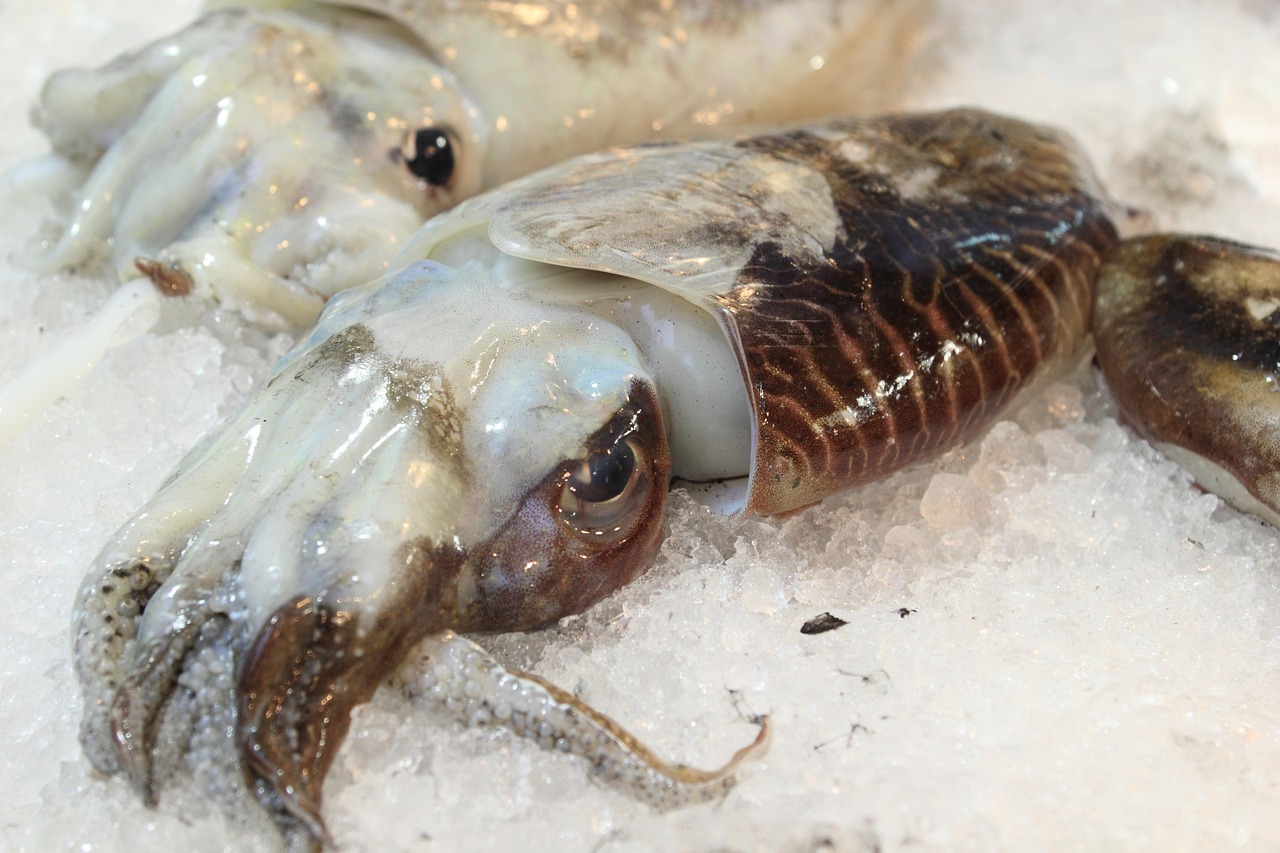
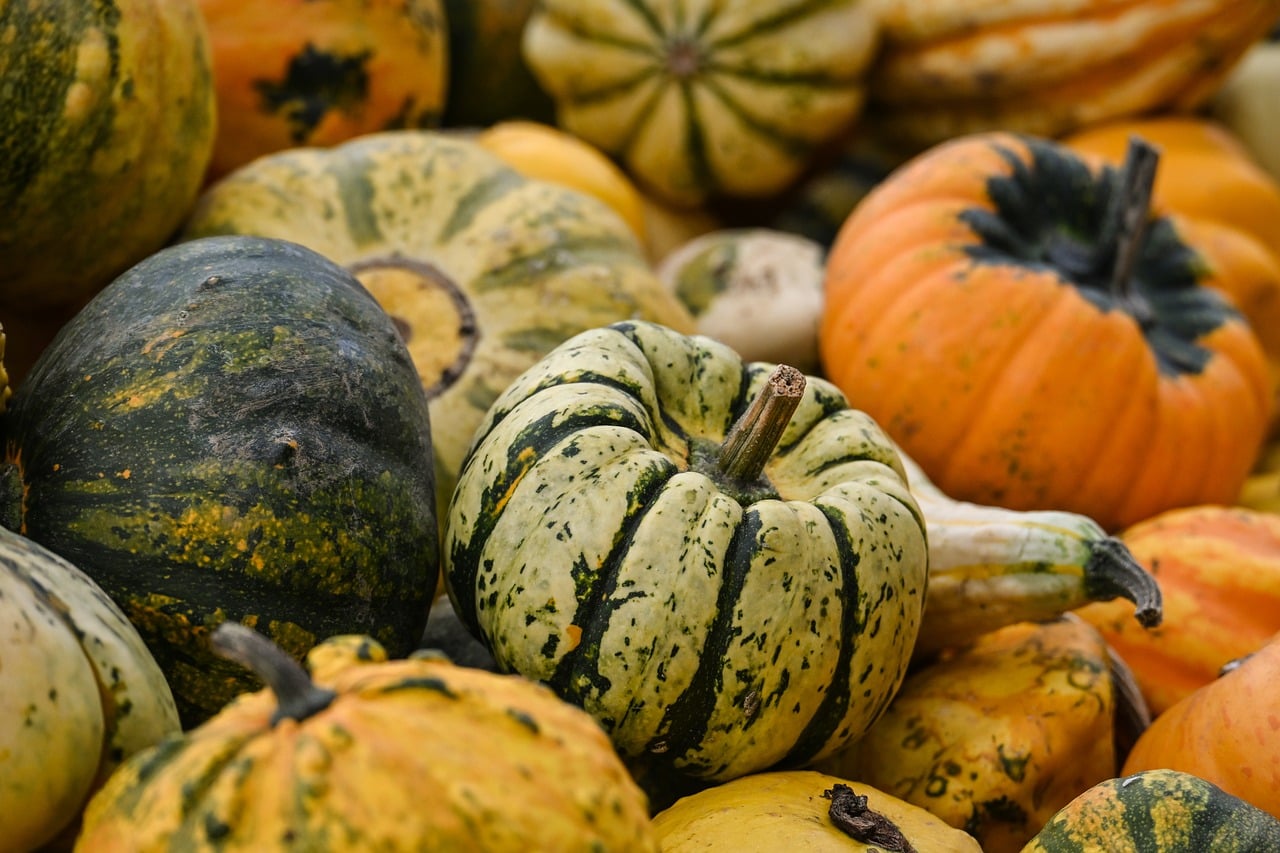
Our menu changes a piece at a time: when a product comes into season, we swap one or two dishes, not the whole list. Our Gamberi Borgo20 (oven-roasted prawns) sit on a pea cream in spring and summer; right now they sit on a pumpkin and sage cream. Every week there’s also an off-menu pasta and an off-menu main course with fish, which stay for a couple of weeks and then change. At the moment they are the Calamarata al nero di zucca, ring-shaped pasta with a Mediterranean cuttlefish ragù, and Ricciola, Malvasia e Cardoncello: amberjack with roasted king oyster mushrooms and a sauce made with Malvasia, a local white wine. Wondering why a Parma bistro cooks fish at all? The story is here: Anchovies and the salt road.
Who makes the pasta and desserts, and who supplies the kitchen?
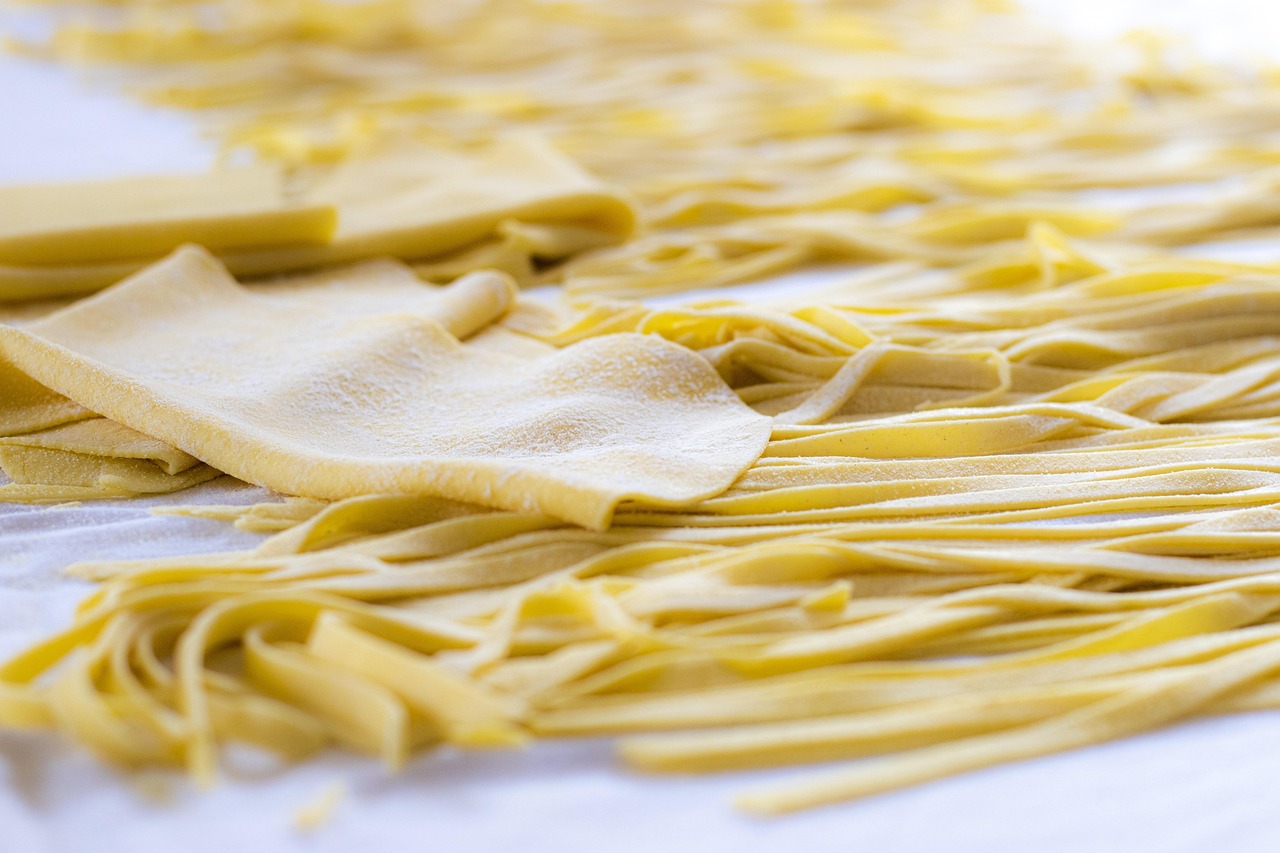
Two simple clues. The first is fresh pasta and desserts. Making them in-house takes time and skilled hands, and it usually shows: desserts have specific names, they change too, and the staff can tell you how they’re made. If in doubt, ask. It’s a fair question.
In our kitchen workshop we make our fresh pasta and all our desserts. That includes Sotto il vestito …Tortelli d’erbetta (a playful name meaning “under the dress”: under the two-coloured pasta are classic Parma tortelli) and the Torta Sbrisolona con crema di zabaione, served with zabaione, a whipped egg-yolk and wine cream, “more boozy than usual”, as our menu says. Do save some room.
The second clue is producers’ names. A menu that just says “prosciutto” tells you little; one that names the supplier gives you something to check. On ours you’ll find the Prosciutto Crudo riserva di Nonno Bruno from Ponte Romano, aged 30 months; Culatello di Zibello DOP from Dallatana, a prized cured pork from the lowlands along the river Po; and Parmigiano Reggiano from the Caseificio Gennari dairy in Collecchio, which you can taste in the Confronto di Parmigiano Reggiano: 24 months against 70. Putting a name on the menu is a commitment, for us and for the people who supply us.
Old town or countryside?
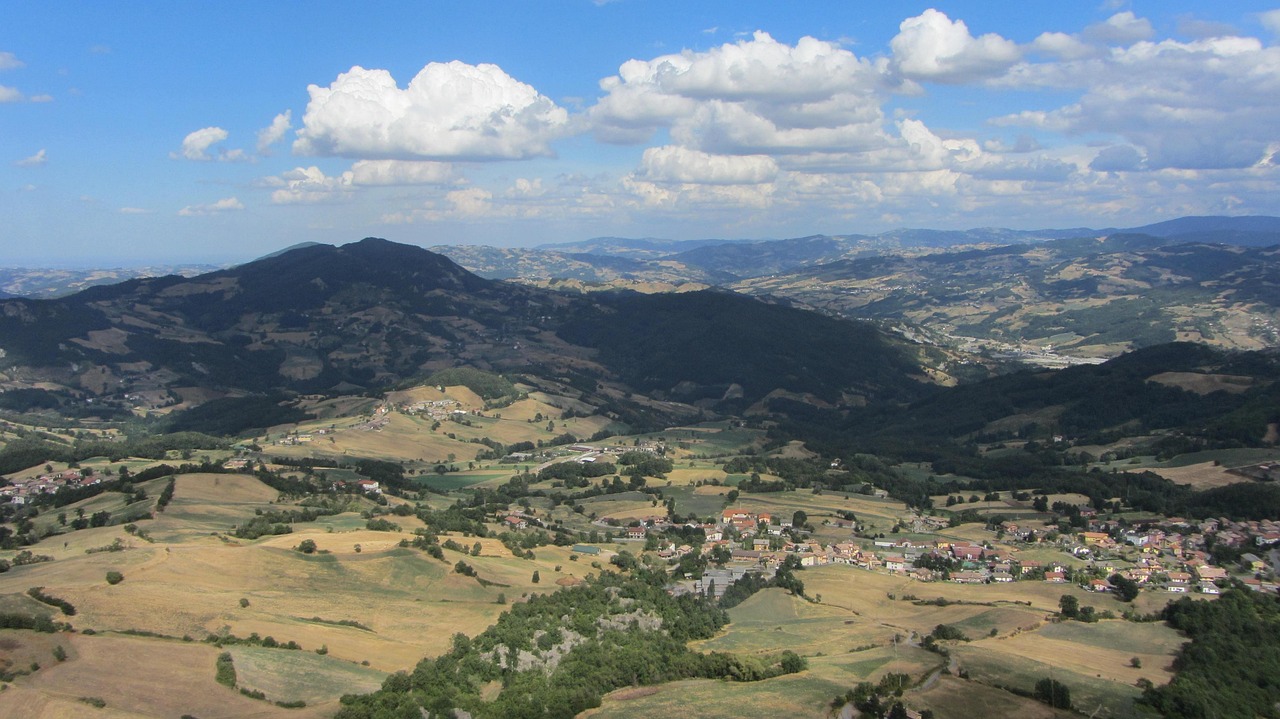
Parma is a small city, but its food reaches out to the hills and to the Bassa, the flat lowlands along the Po where Culatello is made. Out of town you often get space, parking and a slower countryside pace. In the centre, everything is walkable, before or after a visit to the Baptistery or a night at the opera. Again, there’s no right answer: it depends on how you got here and how much time you have.
We chose the old town. Borgo20 is at Borgo XX Marzo 14/16, next to the Cathedral. A bistro, if you’re wondering, is a small and informal restaurant, and ours feels like a Parisian one: small tables close together and a view of the stoves. In summer you can also eat outside, in the narrow street. If you need a restaurant near Parma Cathedral for lunch, good to know: the lunch menu is the same as the dinner one.
Guides and reviews: how to read lists of the best restaurants in Parma
Guides and rankings are useful if you read them with a bit of method. Check the date: a list from three years ago describes a restaurant as it was three years ago. Check who wrote it and how they chose. We ended up on one of these lists ourselves: Gambero Rosso, one of Italy’s best-known food guides, “Dove mangiare a Parma. I 10 migliori ristoranti” (“Where to eat in Parma: the 10 best restaurants”), December 2023. Nice to see, and the same rule applies: check the date, ours included.
Online reviews work the same way. Read the most recent ones, not just the average score. Read the negative ones and how the restaurant replies: that tells you a lot. And look at guests’ photos: if the dishes haven’t changed in years, you already have your answer to the second question.
The six questions at a glance
- Do I want traditional cooking as it always was, or reworked with modern techniques?
- Is the menu short, and does it change with the seasons?
- Do they make their own fresh pasta and desserts?
- Does the menu name its producers?
- Do I want to stay in the centre or head to the countryside?
- Are the guides and reviews I’m reading recent?
You’ll find all our answers on the Borgo20 menu, which is updated whenever a dish changes. If they convince you, book a table online or call us on +39 0521 234565: we’re open Tuesday to Saturday, for lunch and dinner. And if you pick somewhere else, that’s fine too. At least now you know what to look for.