

Beetroot has an image problem: most of us only know it pre-cooked and vacuum-packed, sitting in the supermarket fridge. At borgo20, our restaurant near Parma Cathedral, it is on the table right now in a very different form: crunchy, next to duck and blueberries. Here is why this is its moment, and how to cook beetroot at home starting from a raw one.
Spoiler: it is easier than it looks. It just takes a little patience.
Beetroot: a cousin of chard, not of the turnip
In Italian it is called rapa rossa, literally “red turnip”, and the name is misleading. Beetroot is Beta vulgaris, the same species as chard. In Parma, chard is known as erbetta and it is the filling of the city’s most famous pasta, tortelli d’erbetta: parcels of fresh egg pasta stuffed with chard and ricotta, served with butter and Parmigiano Reggiano. The white turnip, on the other hand, is a brassica, related to cabbage. Our dish has both, which makes it a good way to taste the difference: the red one is sweeter, the white one sharper.
Beetroot is sown in spring and harvested from summer to late autumn. It then keeps well all winter, which is why you find it on Italian market stalls in the cold months (timing shifts a little with the area and the year).
The earthy flavour that divides people has a name: geosmin, the same compound you smell when rain falls on dry soil. The colour comes from betalains, pigments that stain everything they touch. Nutritionally, beetroot is rich in folate.
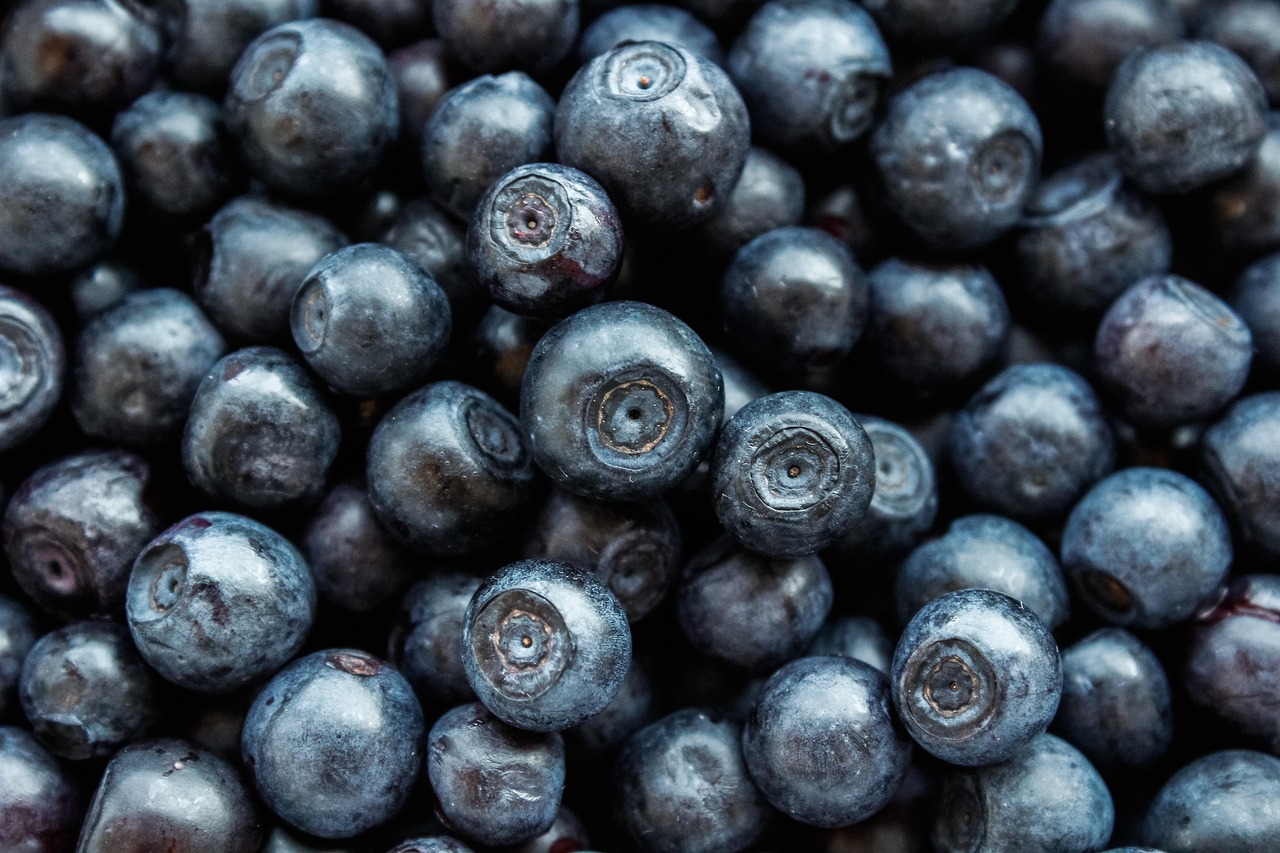
Where to eat in Parma: right now we are also serving duck with blueberries and beetroot
Farmed duck is available all year round. In Italian country cooking, though, it was autumn meat: ducklings hatched in spring reached the right weight with the first cold days, and wild duck is hunted between autumn and winter.
That is why a new dish has just joined our menu: Anatra, mirtilli, rape e Pan di20, which means duck, blueberries, turnips and Pan di20. The duck breast is treated like roast beef and cooked at low temperature, meaning slowly, at gentle and controlled heat, in our own kitchen workshop. It comes with its own jus, the reduced sauce that comes from cooking the meat, made with fresh blueberries.
The thinking is simple. Duck is rich, fatty meat, and fat calls for a tart fruit: the same logic as the classic duck with orange. Red beetroot and white turnip stay crunchy and bring the earthy note. Then there is crisp Pan di20. This is our signature bake, a long-leavened dough made with local flours; if you need a comparison it is something like a Turin-style pan pizza, though we never call it pizza. With a sauce like that on the plate, you will know what to do with it.
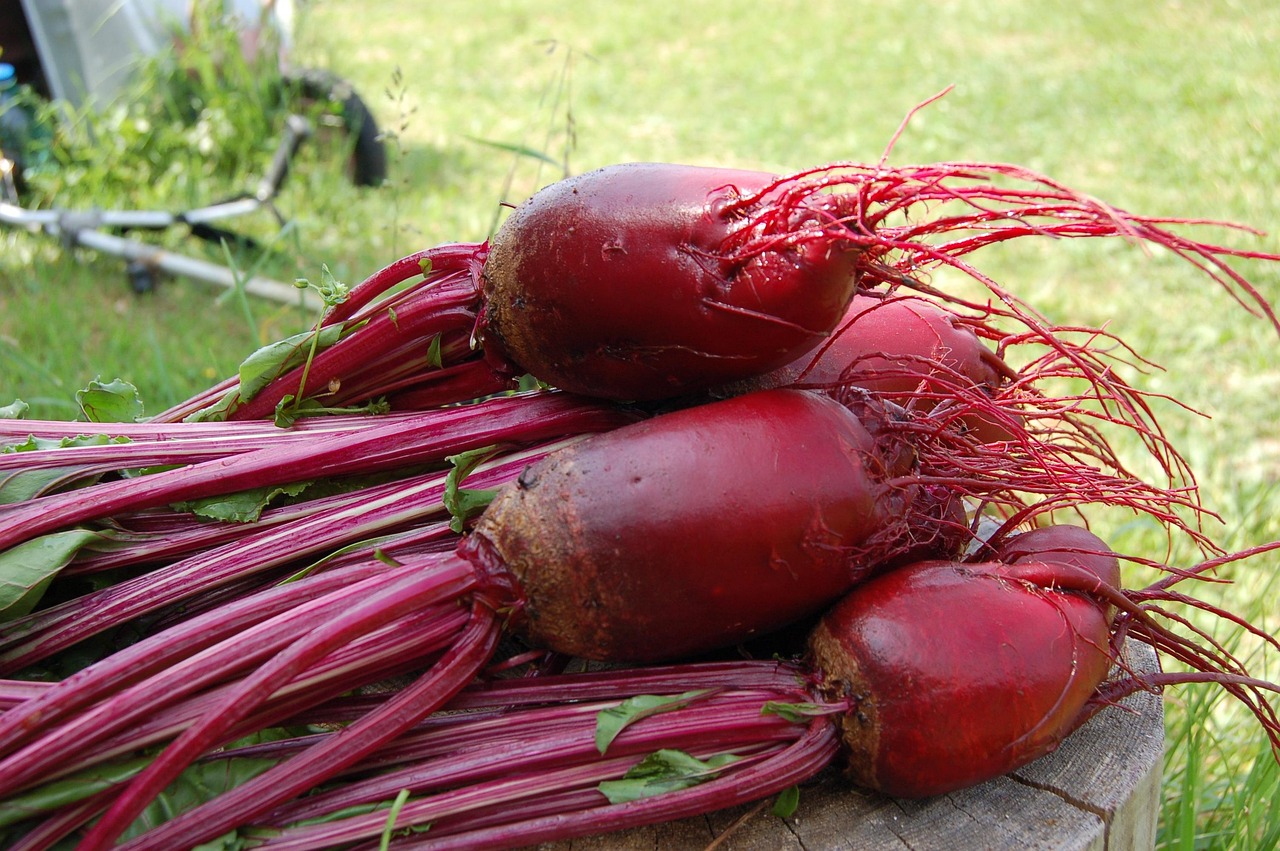
How to cook beetroot at home
Buy it raw and firm, with smooth skin. If the leaves are still attached, even better: it was picked recently. Then choose your route.
- Roasted in a parcel. Wash it, leave the skin on, and wrap it in baking paper with a drizzle of olive oil and a pinch of salt. At 200°C (about 400°F) it takes from 45 minutes to over an hour, depending on size: it is ready when a knife slides in easily. The skin then slips off by itself. This is the method that concentrates the flavour.
- Boiled, skin on. Leave the root and a couple of centimetres of stalk attached, otherwise the colour ends up in the water. Allow 40 minutes to an hour.
- Raw. Peeled, then sliced paper-thin or grated, with olive oil, salt and lemon. It stays crunchy and the earthy taste is milder.
- The leaves. Do not throw them away: if they are fresh, sauté them as you would chard.
Two tips from the kitchen. Wear gloves, or accept purple hands. And always add something sharp: vinegar, lemon, yoghurt, a piece of fruit. It is the same job the blueberries do in our dish.
The side dishes tell you what month it is
Here is a trick that works anywhere, including when you are scrolling through lists of the best restaurants in Parma: read the side dishes. If you can guess the season from them, the kitchen is following the market.
At the moment one of our side dishes is Cavolo nero e patate, Tuscan kale and potatoes. The Punta ripiena alla borgo20, a stuffed veal dish from Parma’s tradition, comes with Jerusalem artichoke. And the Gamberi borgo20, roasted prawns that sit on a pea cream in spring and summer, have moved on to pumpkin and sage cream. We do not change the whole menu overnight: one or two dishes at a time, when the produce arrives. (A bistro, by the way, is a small, informal restaurant in the Parisian style: ours has small tables set close together and a long coffee counter.)
If you want to know what else to look for at the market in these weeks, we wrote about it in Courgettes in October? The autumn produce to look for instead.
You will find the duck and the other dishes of the moment on the current borgo20 menu. We are open Tuesday to Saturday, 12:20–14:30 and 19:20–22:30. If you would like to try it, you can book a table online or call us on +39 0521 234565.